

With high-quality teaching, affordable tuition, government scholarships and a clear route from a study visa to a work permit, Italy is one of Europe’s best study destinations for Iranian students. If you want to enter the European education system legally and with minimal risk, an Italian student visa can be a smart place to start.
Available (conditions apply)
English or Italian
4 to 8 weeks
About €80
Canada is one of the best destinations for international students looking to study at high-quality universities.
International students can apply through the F-1 visa to study at accredited universities in the United States. This visa allows part-time work and offers a route to permanent residence through the OPT and H-1B programs.
Germany is one of the best destinations for international students looking to study at high-quality universities.
1We assess your situation and choose the right route
2We sign a formal agreement and open your file
3We prepare and translate your documents and book the embassy appointment
4Your visa is issued, and we help with arrival and settling in
Yes. After graduating you can apply to convert your study residence permit into a work residence permit. That process requires a job offer from an employer in Italy, so do not overlook platforms such as LinkedIn, part-time work and internship projects — they let you build a professional network in Italy so that, once you finish your studies, you can find work and secure a genuine job offer.
Yes. On a student residence permit you may work up to 20 hours a week. Bear in mind that full-time work during term is not permitted.
Yes. A student can bring a spouse and children under 18 to Italy on an accompanying family member visa (visto per familiari al seguito). It is not automatic: you must have suitable accommodation and an income at least equal to Italy’s annual social allowance, plus half that amount for each family member, and the Sportello Unico per l’Immigrazione must issue a nulla osta before your family can apply at the consulate.
For English-taught programs, IELTS Academic 6, TOEFL 78 and FCE 169 are accepted. For Italian, you need at least level B2 and an MUR-approved certificate for the “Italian Quality Certificate” (CLIQ) — CELI, CILS, Roma Tre or Dante Alighieri.
You must show at least €467.65 for every month of your course. It can be evidenced with six months of bank statements in English, or with a parent’s or spouse’s bank account.
Within 8 working days of arriving in Italy you must go to the nearest police headquarters (Questura) and apply for your residence permit. Take the required documents with you, including your visa, health insurance and university admission confirmation.
Check your chances of getting an Italian student visa now, free of charge. A careful review before you apply can save you a refusal and a second round of costs.
In recent years, studying in Italy has become one of the leading choices for Iranian students. With respected universities, a rich culture, the option to convert a study visa into a work permit, a wide range of scholarships and relatively reasonable living costs, the country attracts large numbers of international students — and that trend continues into the coming year.
Below, and in line with this year’s updates, we cover the requirements, documents, costs, application steps and key points for the Italian student visa in full.
To get an Italian student visa, as with any other country, you first need to contact the universities you have in mind and secure an offer of admission. Once you have that offer, obtain your confirmation from the Universitaly portal and then move on to preparing your documents. All of the students listed below can apply for an Italian student visa.
Students eligible to apply for an Italian student visa:
Once you have your admission letter, you need to assemble your documents for the embassy appointment. Alongside these, a student must also meet the following conditions before applying for a student visa.
If you meet the conditions above — that is, you have the funds or a scholarship in place for an Italian student visa and can start having your documents translated — then once you have an offer from an accredited university or institute, begin gathering and completing the documents below so that you can book your embassy appointment and apply at least three months before term starts. The documents for a student visa are as follows:
Note: every document must be officially translated into Italian or English.
The costs of a student visa fall into two groups: direct costs and hidden costs. If you use a consultant, the consultant’s fee — or, say, the cost of translating documents — is a hidden cost that varies from student to student. Direct costs are fixed and change only when the embassy updates them. At present they are as set out in the table below:
| Costs of studying in Italy | In euros |
|---|---|
| Student visa consular fee | €50 |
| Visa service fee | €29.40 |
| Permesso di Soggiorno (residence permit) | €70 to €150 |
| Health insurance | About €100 to €150 |
| Monthly living costs | €700 to €1,200 (depending on the city) |
| University tuition (without a scholarship) | Public universities €1,000 to €4,000 a year; private universities €5,000 to €20,000 a year |
A student visa takes between 4 and 8 weeks to issue, and in some cases longer, so it is best to book your embassy appointment and submit your documents at least three months before term starts.
On the day of your appointment, attend the embassy to hand in your documents and give your biometrics, and pay the visa application fee there. After submitting your documents, wait for the decision. During this period you may be contacted for an additional document, so be ready to provide one.
Note: according to an official announcement by the Italian embassy, since 10 January 2025 applicants for Type D visas, students included, must book a separate fingerprinting appointment at Italian consulates. This change may lengthen the time it takes to issue a visa.
As you know, incomplete documents lead to a visa refusal, so if you want to avoid being rejected, follow these key points:
The University of Bologna, founded in 1088, is one of the oldest universities in the world. It has a global reputation for high teaching quality and advanced research across many disciplines.
Sapienza University of Rome is one of Italy’s largest universities and its most respected across fields including social sciences, the arts and natural sciences. It has one application round for international students.
The University of Milan sits in one of Italy’s most important cultural and economic centres and is known for its wide range of programs and its research strengths.
Beyond these three, you may also want to consider the universities below:
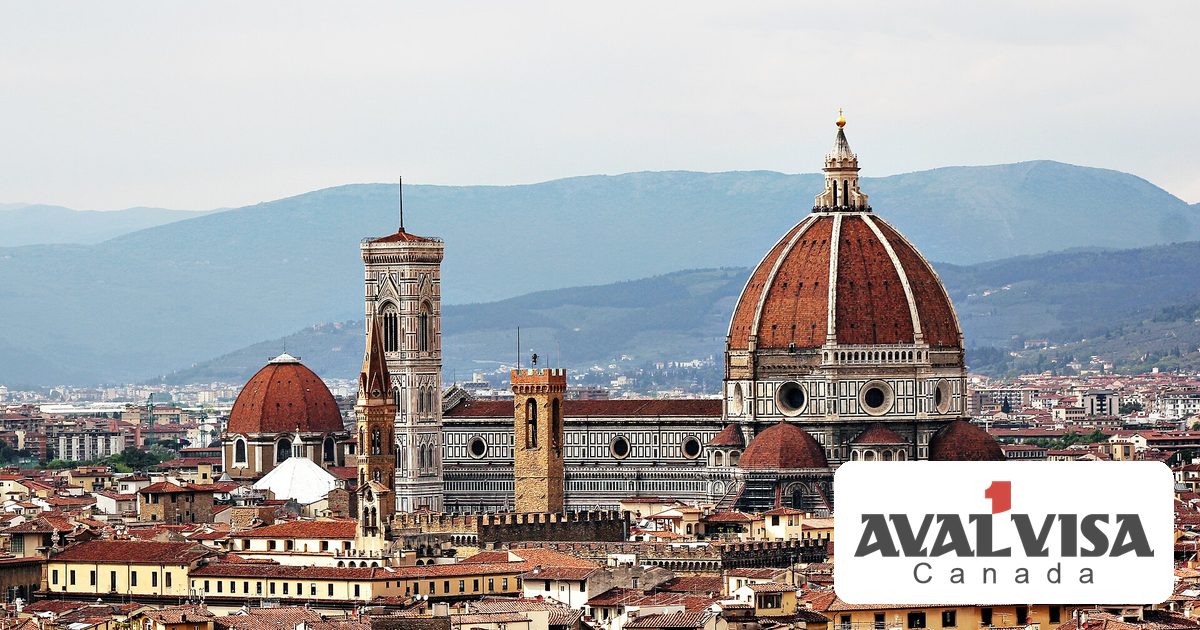
Life in Italy is a one-of-a-kind experience for students. From a rich culture to wonderful food, historic sights and appealing cities such as Venice and Florence, Italy is a compelling place to live and study.
Most Italian cities are full of cultural, artistic and social opportunities — museums and art galleries, local celebrations and festivals — which keep student life lively and interesting.
Many cities, such as Milan, Rome and Florence, offer excellent openings for part-time work and internships across industries including fashion, design, tourism and technology, so you can gain valuable work experience and line up a job offer for after you graduate in Italy.
Italy is an excellent destination for international students. Many Italian universities use the ECTS system (the European Credit Transfer System), which lets students complete their studies at different levels and across a wide range of subjects. To attract these students, the government and private education providers also offer a variety of scholarships for international applicants.
These scholarships cover living costs, tuition, rent and more, easing a student’s worries about the future so they can focus on their studies with peace of mind.
For many students, getting an Italian student visa is one of the most important decisions of their professional life. So if you are worried about a refusal, or you want to be sure of securing a scholarship, it is better to work with an education consultant who will handle every part of the process with care.
Aval Visa is with you from the very start of the journey — securing admission to Italian universities, completing your documents and writing your letters, booking your embassy appointment and preparing you to begin life in a new country — with a team of experienced, professional advisers. If Italy is where you want to continue your education, we look forward to hearing from you.