The Netherlands is one of the most practical places in Europe to build a career. The economy is diversified, the labour market is genuinely open to foreign specialists, and English is the working language in most international employers. For professionals who want to move with their family and keep working at their level, it is a serious option.
There is no single Dutch work visa. The country runs several routes, each with its own employer conditions, salary floor and paperwork, and the figures are reset every January. This guide sets out each route and what it costs, so you can see which one fits you. If you are weighing up a move to the Netherlands, read on.
Types of Dutch work visa
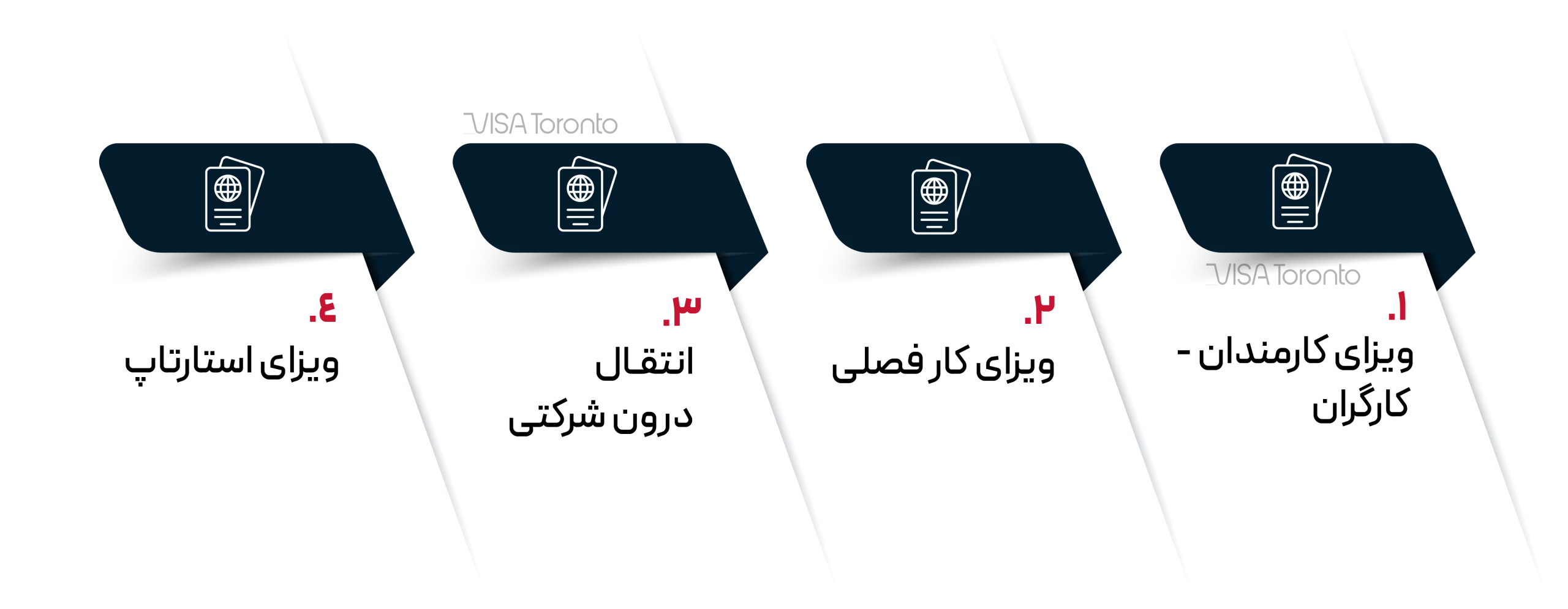
The Netherlands issues different work permits depending on your skill level, how long you will stay, the state of the labour market and the kind of employer hiring you. These are the main routes.
Work permits for employees
This route covers people coming to do general work rather than a specialist role. You need a signed contract with a Dutch employer and at least the statutory minimum wage. The heavier burden sits with the employer: they have to show the vacancy could not be filled from inside the Netherlands or the wider EU before hiring from outside it. In practice this is filed as a single permit that combines residence and work.
Seasonal work permit
Seasonal permits exist for agricultural work that only runs for part of the year. The permit is issued for a maximum of 24 weeks, covers the season only and cannot be extended. If you work in agriculture and want a short, seasonal Dutch work permit, you need:
- A contract with a Dutch employer
- Pay at or above the statutory minimum wage
- A work permit issued for the job
Intra-corporate transfer
Companies headquartered outside the EU that run a branch in the Netherlands can move staff into that branch on an intra-corporate transfer permit. The conditions are:
- Nationality of a country outside the EU
- Residence outside the EU at the time of the application
- A defined role as a manager, specialist or trainee employee
- At least three months of employment with the company before the transfer
- Experience that matches the role, and pay that matches it too
- Residence in the Netherlands for the term of the assignment
- Genuine economic activity between the sending company and the Dutch branch
For the Dutch branch to bring staff across this way, it needs a clean record: no breach of the rules on employing foreign nationals in the previous five years. Paying staff in full and on time, and settling the payroll taxes that go with it, is part of the same test.
Highly skilled migrants
The highly skilled migrant route exists to bring specialists into the Dutch economy, and it is built around one number: your gross monthly salary has to clear the threshold the IND sets each year for your age group. The figures are set out further down this page.
A highly skilled migrant must hold a contract with a Dutch employer or institution, and that employer has to be a recognised sponsor with the Dutch immigration service. Whether you are a corporate specialist, a researcher or a healthcare professional, these are the conditions:
| Worker category | Employment conditions |
|---|---|
| Researchers | Contract signed by the institution, with the researcher's job description based on the Dutch job classification system |
| Doctors in training | Contract drawn up by the Registration Committee for Medical Specialists (MSRC), the Registration Committee for General Practitioners (SGRC) or the Registration Committee for Nursing Home Physicians (HVRC) |
| Doctors in training | Training at an institution recognised for personal healthcare professions under the BIG register |
The Dutch startup visa
The Netherlands startup visa is a one-year residence permit for foreign entrepreneurs. It lets you build a new, innovative business in the Netherlands. The condition that decides most files is the facilitator: you have to be working with a recognised Dutch facilitator that supports the business through its first stage.
Once a facilitator is on board, the idea has to become a business plan that explains, concretely, how it turns into revenue. With the facilitator’s agreement and the plan finished, you file the application. If the business is trading and viable, the permit can be extended and, in time, converted into longer-term residence in the Netherlands.
The EU Blue Card and working in the Netherlands
The EU Blue Card is a work permit for nationals of countries outside the European Union. If you can find a Dutch role that matches your qualifications and track record, and the offer sets out the duties, the salary and the hours and runs for at least twelve months, you can apply for a Dutch Blue Card.
Blue Card conditions
To apply for a Dutch Blue Card you need a job offer valid for at least a year and your highest qualification ready for assessment, and the salary has to clear the Blue Card threshold. With that offer and the conditions below in place you can apply, and after several years of legal residence and work you can move from a Dutch work permit to permanent residence:
- Terms of employment that meet Dutch standards
- A gross monthly salary at or above the EU Blue Card threshold, currently EUR 5,942 a month, with a reduced figure of EUR 4,754 for applicants who qualify for it
- A degree from a higher education programme of at least three years, assessed by Nuffic, the Dutch organisation for international education
A Dutch work permit after you graduate
If you graduated from a Dutch university or college, you can apply for jobs on the Dutch market and sit interviews like any other candidate. Once you have an offer, you apply to change your Dutch student visa into a work permit, issued for the length of your contract. When it runs out, a new contract lets you extend it.
To convert a student permit into a work permit, one of the following has to apply:
- Graduation from an accredited Dutch university
- At least one year of postgraduate study completed in the Netherlands
- A previous Dutch permit held for research or an academic programme
- Graduation from an Erasmus Mundus programme
- Study on a programme run under the development cooperation policy of the Ministry of Foreign Affairs
- Study on a programme run under the cultural policy framework
- A Dutch work permit as a researcher under Directive (EU) 2016/801
What a Dutch work visa application costs
On top of the everyday costs, renewing your passport, photographs and sworn translations, budget for the application fees themselves:
| Visa type | Fee |
|---|---|
| MVV long-stay work visa (over 90 days) | Issued together with the IND residence permit application; see the fee below |
| IND Dutch residence permit | EUR 423 (work, EU Blue Card, start-up or self-employed; reset each 1 January) |
| Initial travel insurance | EUR 50 to EUR 100 |
Documents you need for a Dutch work permit
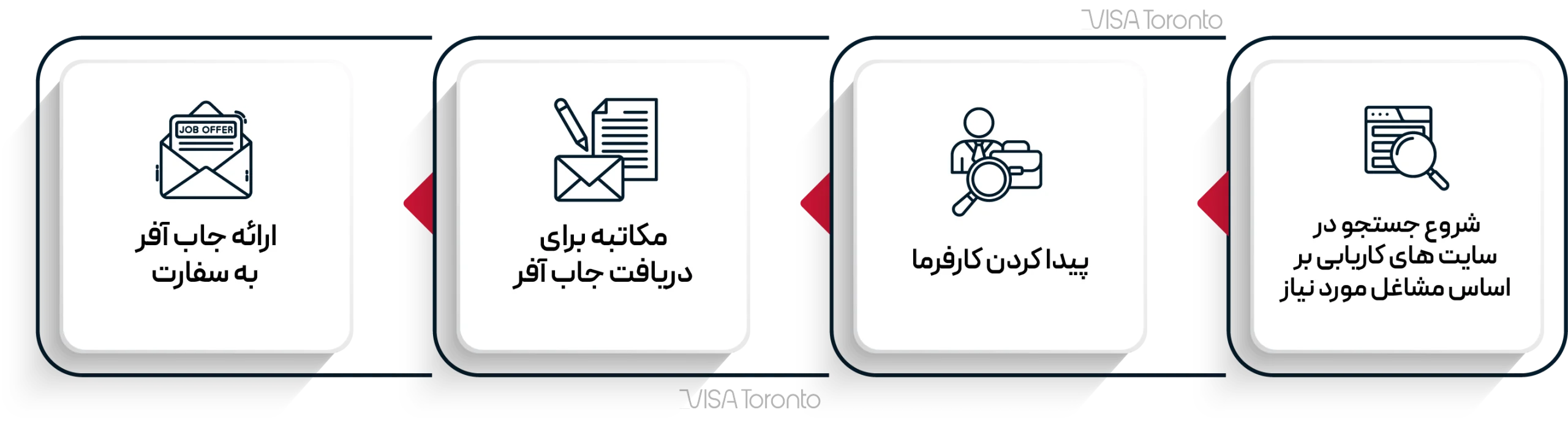
The document that decides the case is the job offer or employment contract. Everything else supports it.
Once the offer letter is in hand, book your appointment and attend on the day with a valid passport, a recent biometric photograph and the full document set. Expect questions about why you are going to work in the Netherlands and what the role involves, so prepare for that conversation rather than improvising it.
If you are already living in the Netherlands, an offer letter and a valid passport are enough to change your current permit into a work permit or to extend it.
The salary on your job offer
Because the offer has to clear a set salary floor, check the figure before you sign. The IND publishes gross monthly amounts, excluding the 8 per cent holiday allowance, and revises them every January. The current thresholds are:
- Skilled migrants aged 30 and over: at least EUR 5,942 gross per month
- Applicants under 30: at least EUR 4,357 gross per month
- Recent graduates entering the labour market under the reduced criterion: at least EUR 3,122 gross per month
- EU Blue Card holders: at least EUR 5,942 gross per month, or EUR 4,754 where the reduced criterion applies
Working in the Netherlands
Living in a wealthy European country on European pay is the main reason people look at the Dutch labour market in the first place. Working in the Netherlands also brings:
- The right to bring your spouse and children with you
- Life in a European country with high public standards
- Job security and salary levels to match
- Work in a stable economy rather than a volatile one
- Room to grow professionally in an open market
Applying from outside the EU
Every employed route on this page starts with a job offer, and the employer has to justify hiring from outside the EU rather than inside it. If you are applying from abroad with no Dutch employer lined up, that is a hard place to start. The employee routes work best for people already studying in the Netherlands or finishing a degree there.
That is why, for applicants with capital and a business idea, we usually point to the Dutch startup visa first. It is the one route that does not depend on an employer, and it is the route our team files most often. Our advisers will assess your profile against each route, tell you which one your file can actually carry, and prepare the application with you from the first document to the appointment. Contact us to have your case reviewed and your Dutch file opened.
Frequently asked questions
1- Which fields have the best openings in the Dutch labour market?
The best openings move with global demand, so the list changes. Software and IT, business management, financial management and creative direction have recently paid the highest salaries.
2- What is the unemployment rate in the Netherlands, and how secure are jobs?
Job security is high and the market is active. Unemployment has recently been reported at around 4 to 5 per cent.
3- What is the tax rate in the Netherlands?
Personal income tax runs in three bands: roughly 35.8 per cent on the first tranche of income up to about EUR 38,441, roughly 37.5 per cent between that and about EUR 76,817, and 49.5 per cent above it. The bands are adjusted each January.