
Moving to Spain has never been more popular, and the reasons are easy to see. Whether you are planning a degree, building a business, or simply want a different pace of life, Spain gives you real, workable options.
Before you commit to anything, it pays to understand the routes, the legal steps and the requirements that apply right now. If Spain is on your list, read on. This guide walks you through each stage, from choosing a route to holding permanent residence.
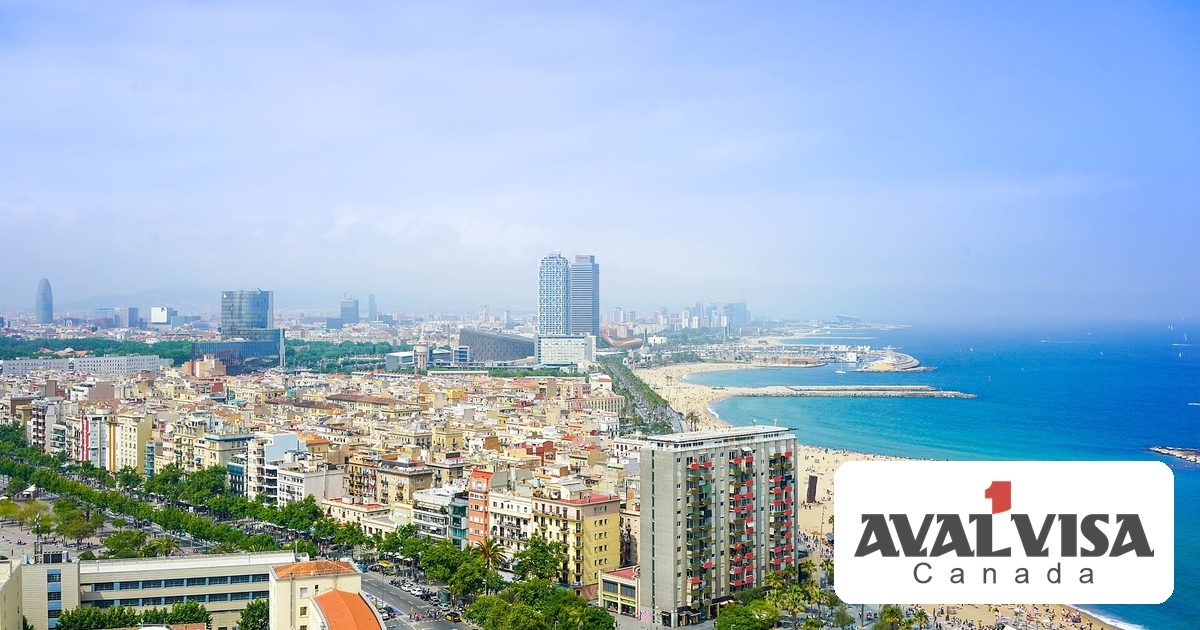
Why Spain is such a strong destination
Spain is one of the most chosen destinations for migrants worldwide. So what makes it this popular? Here is the short answer:
- A mild climate and a balanced, high-quality way of life
- Living costs that undercut much of Western Europe and North America
- A strong public health system and a wide choice of schools
- A multicultural society that is used to newcomers
- Extensive transport links and an excellent geographic position
- A growing economy and active support programmes
- Genuine openings for employees and entrepreneurs
- Low crime rates and a high sense of personal safety
Documents you need for a Spanish visa or residence permit
Before you apply to move to Spain, put the core file together:
1. A passport valid for at least 6 months beyond your date of entry into Spain.
2. The completed visa or residence application form, filled in fully and signed.
3. A recent passport photograph on a white background, meeting biometric standards.
4. Proof of financial means (bank statements covering the last 3 to 6 months).
5. Valid health insurance with full cover in Spain, required for most long-stay visas. The European Health Insurance Card (EHIC) is accepted for EU citizens.
6. A police clearance certificate from your country of origin and from any country you have lived in over the last 5 years.
7. A medical certificate confirming you carry no serious communicable disease.
8. Proof of your address in Spain, such as a rental contract, a title deed or a letter from your host in Spain.
9. Documents tied to the specific visa type
Work visa: an employment contract or a job offer
Student visa: an acceptance letter from a Spanish institution
Non-lucrative visa: proof of sufficient income or capital
Family reunification: proof of the family relationship (marriage certificate, birth certificate)
10. The receipt for the visa or residence fee
Routes for moving to Spain
If you are set on Spain, you have more than one way in. The right route depends on your purpose (work, study, investment and so on) and on your personal circumstances. Below are the main legal routes to Spain:
Moving to Spain for work
This suits people with a job offer from a Spanish employer or with specialist skills. A work visa or the EU Blue Card gives you the right to live and work in Spain legally.
Moving to Spain to study
International students with an offer from a recognised Spanish university can apply for a student visa. You may work part time, up to 30 hours a week, and you can switch from a student permit to a work permit after you graduate.

Moving to Spain through investment
Entrepreneurs and investors can apply for the Spanish entrepreneur visa by launching a business or presenting an innovative business plan. This route has replaced the Spanish Golden Visa, which closed to new applications in April 2025.
Moving to Spain through marriage
If you marry a Spanish national or a permanent resident, you can apply for family residence. This permit normally runs for 5 years and carries the right to work.
Residence through birth in Spain
A child born in Spain to a Spanish parent, or to a parent holding long-term legal residence, can obtain residence or citizenship.
Asylum
This route is for people facing a serious threat to their life, or serious political or religious persecution, in their own country. Asylum claims are examined closely by the Spanish authorities.
Before you settle on a route, look hard at your finances, your paperwork and what you actually want out of the move, then talk it through with an experienced adviser so you pick the route that fits.
What it costs to move to and live in Spain
| Type of cost | Approximate cost (EUR) |
|---|---|
| Government visa fees | EUR 10 to 265 |
| Document translation and certification | EUR 10 to 40 per page |
| Immigration lawyer fees | EUR 500 to 3,000 |
| Private health insurance | EUR 600 to 2,500 per year |
| Monthly living costs | Around EUR 750 |
| Housing rent | EUR 1,000 to 1,400 per month |
| Relocation and transport costs | EUR 300 to 1,500 |
The best Spanish cities for newcomers
These cities come up again and again with people planning a move to Spain:
- Valencia
Valencia mixes city life with the beach. Living costs are reasonable, and the culture and festivals are genuinely good. It has been ranked among the best cities in the world to live in over recent years. - Malaga
Sunny weather, good beaches and a large international community. Costs in Malaga are moderate, and newcomers find it an easy place to settle. - Alicante
Alicante is quieter, cheap to live in and close to the airport. A good option if you want a simpler, more affordable life. - Barcelona
Barcelona is fast-moving and full of work in tech and the creative industries. Its architecture and mixed culture pull in newcomers from everywhere. - Madrid
The capital, with deep infrastructure, cultural and arts institutions, and the largest job market in the country. Madrid suits people who want busy city life. - Bilbao
Distinctly Basque, with excellent food and far fewer tourists. Bilbao works well if you want calm and a high quality of life. - Seville
Rich culture, historic architecture and a warm, sociable atmosphere. Seville is the pick if you want the most authentically Spanish experience.
Requirements for permanent residence in Spain
After living in Spain for a while, most people start thinking about long-term residence. Here is exactly what it takes:
- You must have lived in Spain for five continuous years on a legal residence permit.
- Your absences are limited: no single absence longer than six continuous months, and no more than ten months of absence in total across the five years.
- You must show income or resources sufficient to support yourself without state assistance.
- You must hold valid health cover, public or private, throughout your residence.
- You must supply police clearance certificates from Spain and from your previous country of residence.
- Spain does not impose a language exam for long-term residence itself. The DELE A2 language exam and the CCSE civics exam apply later, when you apply for Spanish citizenship.
- You file the complete set of documents and pay the fee at the immigration office (Oficina de Extranjeria).
Once granted, long-term residence lets you live and work in Spain without a time limit and with broader rights than a temporary permit.
Frequently asked questions
- Can I work while I study in Spain?
Yes. Students can normally work up to 30 hours a week during term and full time during academic holidays. - Can my family join me in Spain?
Yes, under the family reunification rules. A spouse, a registered partner, children under 26 and dependent parents can apply, provided you can show sufficient income and suitable accommodation. - Can I switch visa type from inside Spain?
Yes, in most cases. Switching from a student permit to a work permit, or from a work permit to long-term residence, is possible without leaving the country.