The University of Verona is one of Italy’s established higher education institutions, with a long record as a centre for teaching and research. It offers a broad range of degree courses at every level, and gives students an active, specialised environment for academic and research work.
Its international rankings and its student services make Verona an attractive destination for anyone looking for an academic, research-focused and international environment. If you are considering an Italian student visa, the rest of this article covers the application process and the scholarships available at the University of Verona.
Location and address of the University of Verona
The University of Verona (Universita degli Studi di Verona) sits in the historic city of Verona in northern Italy and occupies several buildings and campuses across the city. The main addresses are:
1. Main building and international office:
Address: Via San Francesco, 22, 37129 Verona VR, Italy
2. Rectorate (Rettorato):
Address: Via dell’Artigliere, 8, 37129 Verona VR, Italy
Read more: Regional scholarships in Italy: what they actually cover
World rankings and academic standing of the University of Verona
The table below sets out the university’s main positions in the major global ranking systems and by subject area:
| Ranking system | World rank | Field or note |
|---|---|---|
| Times Higher Education | 401-500 | Overall Medicine: 201-250 Life sciences: 301-400 |
| QS World University Rankings | 771-780 | Subject ranking: 151-225 |
| Academic Ranking of World Universities (ARWU - Shanghai) | 501 | Overall |
| Center for World University Rankings | 546 | Within the top 2.6% worldwide |
| Scimago Institutions Rankings | 556 | Research output |
| Edurank - Medicine | 263 | Focus on pathology, immunology, psychiatry |
| Edurank - Biology | 389 | Genetics, biochemistry, neuroscience |
| Edurank - Psychology | 336 | Neuroscience, cognitive psychology |
| Edurank - Computer science | 585 | AI, machine learning, bioinformatics |
| Edurank - Mathematics | 549 | Statistics, econometrics |
| CENSIS (Italy) | _ | Among universities with 20,000 to 40,000 students |
Degree levels at the University of Verona
For clarity, the courses are set out in three separate tables, one for each level of study, with the subject areas covered:
1. Bachelor’s courses and subject areas (Laurea Triennale)
| Area / field | Programmes | Language of instruction |
|---|---|---|
| Economics and business | Management and business, economics and commerce, economics and international markets | Italian |
| Humanities and social sciences | Philosophy, education sciences, social work, communication studies, security and international policy | Italian |
| Foreign languages and literature | Foreign languages and literatures, languages and cultures for tourism and business, language and literature for digital publishing | Italian |
| Law | Legal services for innovation | Italian |
| Science and engineering | Computer science, bioinformatics, biotechnology, medical systems engineering, applied mathematics | Italian |
| Health and allied health | Nursing, physiotherapy, midwifery, speech therapy, dental hygiene, psychiatric rehabilitation, etc. | Italian |
| Sports science | Sports science and physical training | Italian |
2. Master’s courses and subject areas (Laurea Magistrale)
| Area / field | Programmes | Language of instruction |
|---|---|---|
| Economics and business | Economics and data analysis, economics and international trade | English |
| Humanities and social sciences | Languages, literature and digital culture, linguistics, philosophy, education sciences | English/ Italian |
| Science and engineering | Data science, computer engineering, medical bioinformatics, medical biotechnology, mathematics | English |
| Law | Five-year single-cycle law degree | Italian |
| Biology and medicine | Biology for precision medicine, bioengineering for personalised medicine | English |
3. Doctoral programmes and specialist training
| Programme type | Fields and areas | Language of instruction |
|---|---|---|
| Doctorate (PhD) | Biology, humanities, social sciences, technology, medicine, engineering, basic sciences | English/ Italian |
| Specialist and professional training | Professional master's courses, continuing education, specialisation programmes in medicine and law | Italian |
Departments of the University of Verona
The University of Verona is formally organised into 15 departments plus a School of Medicine and Surgery. The departments are:
- Biotechnology
- Cultures and Civilisations
- Diagnostics and Public Health
- Computer Science
- Engineering for Innovation Medicine
- Foreign Languages and Literatures
- Management
- Medicine
- Neurosciences, Biomedicine and Movement Sciences
- Surgery, Dentistry, Paediatrics and Gynaecology
- Economics
- Law
- Human Sciences
- Philosophy, Education and Psychology
- Time, Space, Image and Society
Alongside these, the School of Medicine and Surgery runs training programmes for health professionals, including doctors, specialists, researchers and other staff working in health and human welfare.
Read more: A full guide to student living costs in Italy
Admission requirements at the University of Verona
For non-EU international students, admission to the University of Verona depends on the following:
1. Academic qualification:
- Bachelor’s: a secondary school diploma representing at least 12 years of schooling
- Master’s: a relevant bachelor’s degree
- Doctorate: a relevant master’s degree
2. Language ability:
- Italian-taught programmes: an Italian language certificate at B2, or a pass in the University of Verona’s own language test
- English-taught programmes: a recognised English language certificate
3. Academic documents:
- All certificates must be officially translated into Italian or English and submitted with a Declaration of Value issued by the Italian mission in your country.
4. Tuition:
- Base tuition is around 1,000 EUR a year, and may vary according to the student’s assessed financial situation.
For precise and current information, check the University of Verona’s official website.
Read more: A complete guide to studying in Italy
How to apply to the University of Verona
For a non-EU international student, the application steps and documents are as follows:
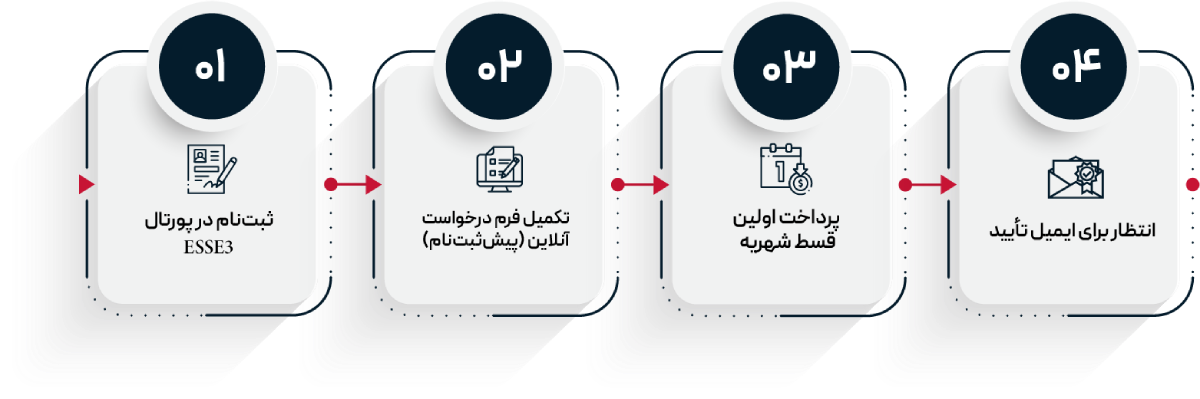
1. Register on the ESSE3 portal
Registration on ESSE3 normally runs through SPID or CIE. If you cannot use either, click “registrazione” on the online registration form, enter your personal details and you will be issued a username and password. Registration is open from 16 July to 10 October for the standard window, or from 16 October to 10 December with a late fee.
2. Complete the online application (pre-enrolment)
Once you are logged in to ESSE3, complete the online application form and upload a scanned copy of your identity document.
3. Pay the first tuition instalment
Pay the first instalment through the PagoPA system.
4. Wait for confirmation by email
After payment you will receive an email confirming your application. Once the admissions office has reviewed and approved your documents, a final confirmation email is sent.
Read more: A full guide to engineering universities in Italy
Documents required to apply to the University of Verona
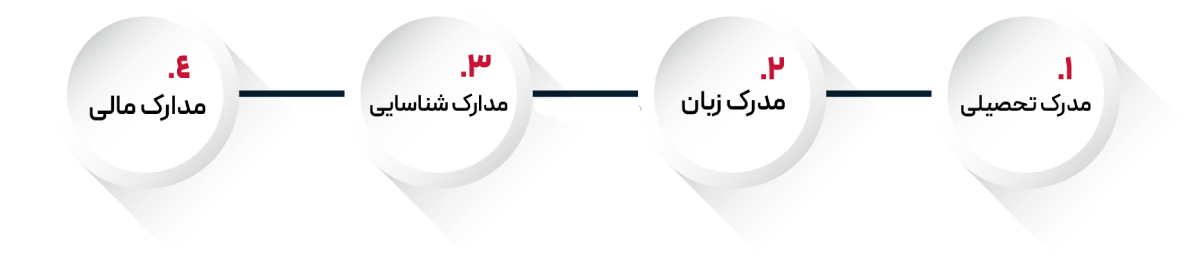
The documents fall into three groups: academic, language, and identity and financial.
Academic documents:
- Bachelor’s applicants: a secondary school diploma representing at least 12 years of schooling, with an official translation into Italian or English and a Declaration of Value from the Italian mission.
- Master’s applicants: a bachelor’s degree with an official translation and a Declaration of Value.
Language documents:
- Italian-taught programmes: an Italian certificate at B2, or a pass in the University of Verona’s Italian language test (CISIA ITA-L2).
- English-taught programmes: a recognised English language certificate.
Identity documents:
- A valid passport
- One passport-style photograph
Financial documents:
Proof of funds to support yourself for the duration of your studies in Italy (around 6,000 EUR a year).
Tuition and study costs at the University of Verona
The tables below break down tuition and study costs by fee type and level of study, followed by the other costs you should budget for:
University of Verona tuition fees
| Fee type / degree level | Tuition amount (per year) | Details |
|---|---|---|
| Flat-rate tuition (Flat Tax) | EUR 1,000 | For international students without an income declaration |
| Bachelor's (income-based) | EUR 1,000 - 2,500 | With an ISEE declaration |
| Master's (income-based) | EUR 1,500 - 3,000 | With an ISEE declaration |
| Students with a disability of 66% or higher | Free | Full tuition exemption |
| Students with a disability of 50-65% | Up to EUR 200 | Reduced tuition |
| Students from developing countries | Up to EUR 150 | Subject to documents from the country of origin |
Other costs and living expenses
| Type of cost | Approximate amount (per year / per month) | Notes |
|---|---|---|
| Student service fees | EUR 150 - 200 per year | Enrolment, student card, academic services |
| Books and study materials | EUR 200 - 400 per year | Depends on the subject and course needs |
| Living costs in Verona | EUR 700 - 800 per month | Includes housing, food, transport, etc. |
Scholarships at the University of Verona
The University of Verona offers a range of scholarships and financial support for international students. The types available, the conditions and how to apply are set out in the table and notes below:
| Scholarship type | Amount and coverage | Main conditions | How to apply |
|---|---|---|---|
| Regional scholarship (Veneto Region) | Set by the annual regional bando | ISEE threshold set by the annual bando, ISEE certificate, enrolment in a bachelor's or master's programme | Online DUB form each summer |
| "Invest Your Talent in Italy" scholarship | Full tuition waiver + monthly allowance of EUR 1,000 | For master's students in selected fields; admission to a listed programme required | Via the official programme website: investyourtalentapplication.esteri.it |
| University of Verona scholarships | Full or partial tuition waiver | Based on academic merit and/or financial need, for international students | Online DUB form each summer |
| Student part-time collaborations | Up to 150 working hours per year | Enrolled students; Italian or English proficiency required | Via the university's scholarships and financial aid office |
Read more: University of Milan, Italy
Facilities at the University of Verona
The teaching, research and student facilities at Verona are set out below.
Teaching facilities
- The university runs 15 academic departments across fields such as biotechnology, computer science, economics, law, medicine and neuroscience, which gives students an interdisciplinary teaching environment.
- The main libraries, including Arturo Frinzi and Egidio Meneghetti, hold extensive collections and offer study space and digital access for students and researchers.
- Seven study rooms with wireless internet and space for around 180 people are available for individual or group study.
Research facilities at Verona
- Research is organised around four main areas: humanities; law and economics; life and health sciences; and natural sciences and engineering.
- That structure supports interdisciplinary collaboration. It backs researchers in their research and innovation work, makes links with industry easier and guides the training of new researchers.
- EU-funded projects such as INVITE have opened up doctoral places for international students across a range of fields.
Read more: University of Sassari
Student services at the University of Verona
- The university runs 8 student residences and works with a range of bodies to offer other accommodation options, including private flats, so that students can live at a manageable cost.
- Four canteens across Verona serve subsidised meals to students and staff.
- The university has agreements with local sports centres and offers discounted sport and fitness programmes to students and staff.
- A welcome office advises international students on residence formalities, immigration questions and settling into student life.
- Through the regional student body ESU, students can access scholarships, study rooms and support across other aspects of student life.
Notable alumni and figures connected to the University of Verona
Although the University of Verona (Universita degli Studi di Verona) was only established as an independent institution in 1982, it counts a number of notable figures in science, culture, the arts and sport among its alumni and honorary graduates. They include:
- Sandro Veronesi: entrepreneur and founder of the clothing brand Calzedonia.
- Alessandro Nottegar: physician and founder of the religious movement Regina Pacis.
- Marco Lui: Italian director and television personality.
- Aldo Scarpa: a leading researcher in biomedicine.
- Aldo Busi: well-known Italian novelist, translator and columnist.
- Cristiana Girelli: professional footballer and member of the Italy women’s national team.
- Matteo Trentin: professional cyclist and winner of international races.
- Andrea Denver: international model based in New York.
- Janina Kugel: executive and board member at major companies.
- Liliana Segre: life senator of the Italian Republic and Holocaust survivor.
The University of Verona: professional facilities and quality teaching
By combining quality teaching, applied research and a full range of student services, the University of Verona has secured a firm place among Italy’s respected institutions. The range of courses, the mix of teaching languages and the scholarship opportunities make it attractive to Italian and international students alike.
Beyond its academic standing, the university offers a supportive setting and a rich cultural life, which gives students room to develop in more than one direction. Verona is not only a place to study but an opportunity for personal and professional development and for building an academic network. Choosing it is a sound investment in higher education and in a future career.
Frequently asked questions
- Is there an entrance exam for admission to the University of Verona?
Most programmes have no entrance exam, although specific conditions apply to some courses. Non-EU students, for example, have to sit the ITA-L2@CASA Italian language test unless they hold an Italian certificate at B2. - Does the University of Verona run student exchange programmes?
Yes. The university runs several exchange programmes, including Erasmus, for international students. These give students the chance to spend part of their studies abroad. - Does the University of Verona support students with specific needs?
Yes. The university provides support services for students with disabilities and specific learning difficulties, including teaching adjustments and advice, so that students can take a full part in academic life.
Official source: University of Verona — international degree-seeking students
This article is general information, not legal advice, and it describes published official rules rather than any individual case.