
Canada attracts a steady flow of skilled workers, and younger applicants often arrive through a study permit or a Canadian work visa. An active labour market, immigration policy built around skilled labour, solid pay and reasonable job security are the usual reasons. Getting hired, though, comes down to one thing you can prepare for: the interview. This guide sets out how a job interview in Canada is structured and how to get ready for it.
What is a job interview in Canada?
A Canadian job interview exists to assess your skills, competencies and expertise, and it usually runs in stages. The first stage is normally a phone or video screen. If that goes well, later rounds follow, often ending with an in-person meeting where the employer looks more closely at how you work. The types are set out below.
Our suggestion: read the rules for the Canadian work permit here.
Types of job interview in Canada
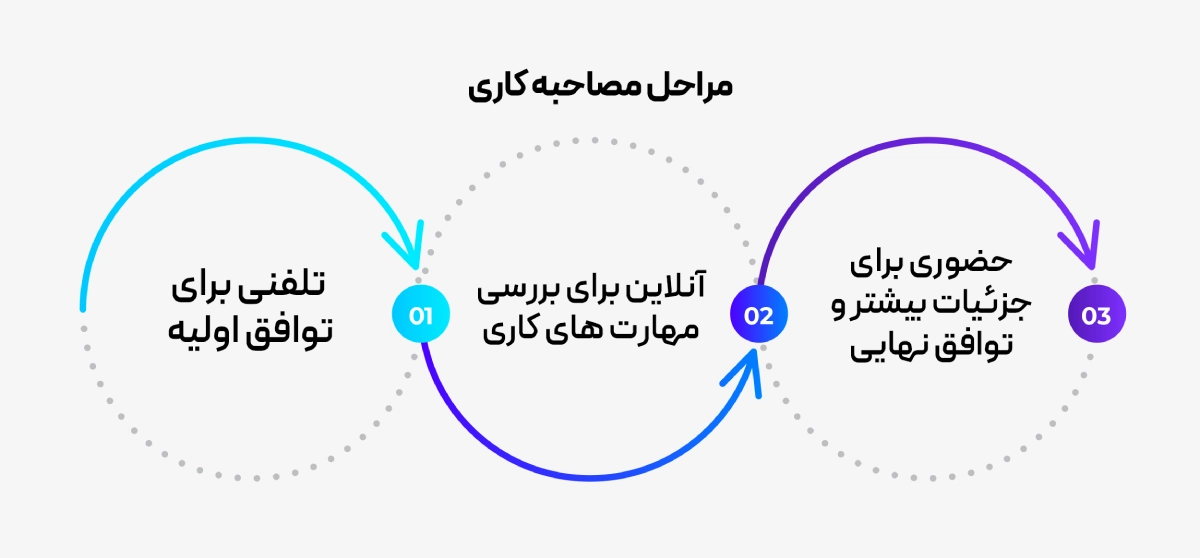
The first stage is usually a phone screen, used to make initial contact, ask basic questions and check whether you fit the role. It typically lasts about twenty minutes. If you meet the basic requirements, a video interview follows.
In an online interview, held on Google Meet, Zoom, Microsoft Teams or a similar platform, how clearly you speak and present yourself matters a great deal. This is where the employer sees you. Explain your work experience well and show, against the requirements in the posting, that you have the skills the role needs.
If that round goes well, you will be invited to an in-person interview, often on the same day as other candidates. The third round is shaped by the employer and the workplace, goes into more detail on your skills, and in technical fields may include a practical test or a team exercise.
By this point it should be clear that hiring in Canada tends to be more structured than candidates expect. What secures the role is demonstrated skill and evidence that you can handle the demands of the job. Keep that in mind as we move on to preparation.
How do I prepare for a job interview in Canada?
Once you have passed the introductory phone screen and been invited to an online interview, a handful of steps will get you ready for the rounds that follow.
- Go through the posting and check every expectation, responsibility and required skill it lists. If there is a requirement you do not meet, say so rather than hide it. Where the posting does match your experience, prepare relevant work samples and evidence of what you have done in that area.
- Stay active on professional networks such as LinkedIn: connect with people in your field, follow employers who hire for your kind of role, and keep up with news in the sector.
- Research the company before the interview. Read about what it does, its goals and how it operates.
- Know your own resume in detail. Practise talking about your skills and how your expertise maps onto the role, so that you can describe your background, strengths and achievements clearly and without hesitation.
- Prepare for the questions you are likely to be asked. The common ones are below, but expect variations and questions specific to the employer.
Canada job offer interview questions
Some questions come up in almost every Canadian job interview: your work experience, why you want this role, why you want to work and live in Canada, and why you applied to this employer in particular.
To answer these well, use the STAR method: Situation, Task, Action, Result. Set out the situation, the task you were responsible for, the action you took and the result it produced. This structure works particularly well for questions about how you handled specific responsibilities.
As noted above, research the employer and look at its website and LinkedIn page so that you can answer questions about organisational culture and where the role could lead. Beyond that, be ready for questions along these lines. Some come from employers; the ones about permits, ties and future plans are the kind an IRCC officer may raise when a work permit application is assessed:
What motivated you to apply for a job in Canada?
How did you learn about this job?
What is your job title and what does the role involve?
How long is the job offer for and what are your responsibilities?
Is the position supported by an LMIA, or is it LMIA-exempt?
What are your long-term career plans?
Do you plan to return home when the work permit expires?
Can you describe your relevant experience inside and outside Canada?
Do you have ties to Canada, such as family, friends or a spouse?
Answer directly and stay on the point. If, for example, you started looking for work after graduating because you were building experience towards permanent residence in Canada, say so plainly and refer to your Canadian study experience.
Our suggestion: read this guide to the routes for immigration to Canada.
Where can I practise for a Canadian job interview?
A common question is where to practise interview questions for the Canadian market. The table below lists options that candidates have found useful:
| Website | Details |
|---|---|
| Glassdoor | Bank of real interview questions from Canadian companies |
| Indeed Career Guide | Guide to common questions and professional answers |
| Moving2Canada | Practice for technical and job-specific questions |
| Pramp and Big Interview | Mock interview simulation |
Tips for a successful interview
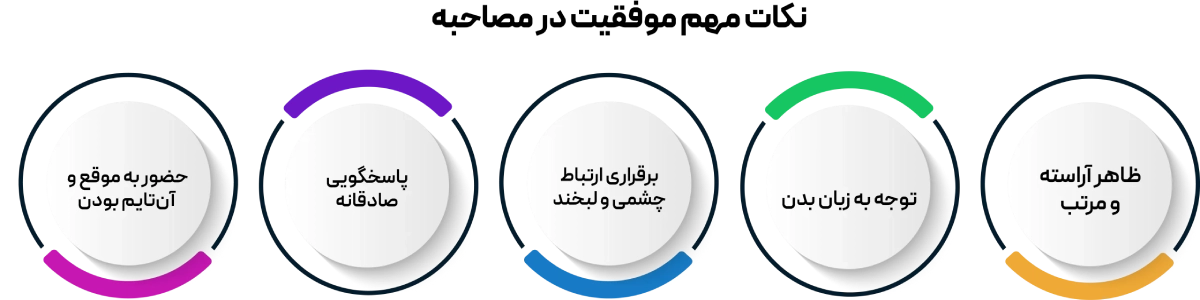
A few general points make a difference in a Canadian job interview. The first is professional dress and appearance, pitched to the culture of the employer. Work on your body language as well: hold eye contact in person and on video, sit upright rather than hunched, and smile.
Think before you answer, and answer honestly. Ask your own questions too, about organisational culture, opportunities to progress and work-life balance. It is also worth checking Reddit, where people describe their own interview experiences. Searching for a specific employer often turns up first-hand accounts of how its hiring process runs.
Immigration to Canada with Aval Visa
The Aval Visa team works with applicants across the range of Canadian immigration routes. For a study permit, a work permit, or investor, start-up and Express Entry programs, you can contact our offices in Toronto and Tehran. If you are already in Canada and need to extend a permit, or to move from a study or visitor status to a work permit, we can advise on the process and on how to prepare for a job interview in Canada. Eligibility is assessed case by case, and every decision rests with IRCC or the province concerned.
Frequently asked questions
- Can an interview be held in French? Yes. In Quebec, New Brunswick and other francophone workplaces, interviews are commonly conducted in French.
- Is an LMIA always required? No. An LMIA is applied for by the employer, not by you, and many work permits are LMIA-exempt, including those issued under the International Mobility Program, free trade agreements, intra-company transfers, post-graduation work permits and spousal open work permits. Which route applies depends on the job and your circumstances.
- How do I show that I intend to leave Canada when my work permit ends? Point to ties in your home country: family, property, financial interests, a position you can return to, or a spouse and household. These are the factors an officer weighs when assessing whether a stay is temporary.
This article is general information, not legal advice, and it describes published official rules rather than any individual case.