
کانادا دومین کشور بزرگ جهان از نظر مساحت، یکی از پیشرفتهترین کشورهای جهان و البته مقصد محبوب ایرانیان برای مهاجرت است. کشور کانادا نه تنها از نظر جغرافیایی و زیستمحیطی متنوع است بلکه فرهنگ، اقتصاد و امکانات رفاهی بسیار جذاب و پیشرفتهای هم دارد.
این کشور حدود 40 میلیون نفر جمعیت و بیش از 250 هزار ایرانی دارد. جامعه پویا، فرصتهای شغلی فراوان با درآمد بالا، پاسپورت معتبر، طبیعت زیبا، دانشگاههای معتبر جهانی و شهرهای مدرن با امکانات پیشرفته همگی از دلایل علاقه ایرانیان برای مهاجرت به کانادا است. به همین بهانه در این مقاله قرار است نگاه تازهای به این کشور داشته و با جغرافیا، شهرهای اصلی و بزرگ، زبان و فرهنگ، سیاستهای اقتصادی، واحد پول، استانها، جاذبههای دیدنی و هر آنچه باید درباره کشور کانادا بدانید، بیشتر آشنا شویم.
معرفی کشور کانادا
اگر اخذ اقامت دائم کانادا و مهاجرت به این کشور یکی از برنامههای شما برای چند سال آینده است، بیایید تا در ادامه نگاهی کلی به این کشور داشته و با کانادا بیشتر آشنا شویم.
جمعیت کانادا 40 ملیون نفر است؛ البته به دلیل سیاستهای مهاجرتی، جامعه این کشور تنوع فرهنگی بالایی هم دارد. زبان رسمی کانادا انگلیسی و فرانسوی است و واحد پول کشور هم دلار کانادا است. کشور کانادا 10 استان و سه قلمرو مهم دارد و پایتخت آن شهر اتاوا، محل زندگی نخستوزیر و مرکز تصمیمگیریهای سیاسی و اداری کشور است.
اقتصاد کانادا یکی از پیشرفتهترین اقتصادهای جهان است و درآمد ارزی خوبی از منابع طبیعی، فناوری اطلاعات، خدمات مالی، تولید و بازرگانی، استخراج نفت در نواحی شمالی، تولید غلات، گندم و جو، پرورش محصولات دامی و شیلات دارد.
این کشور از نظر کیفیت زندگی، آموزش، خدمات بهداشتی و امنیت اجتماعی رتبه بالایی در جهان دارد که آن را به مقصدی جذاب برای مهاجران و سرمایهگذاران تبدیل کرده است.
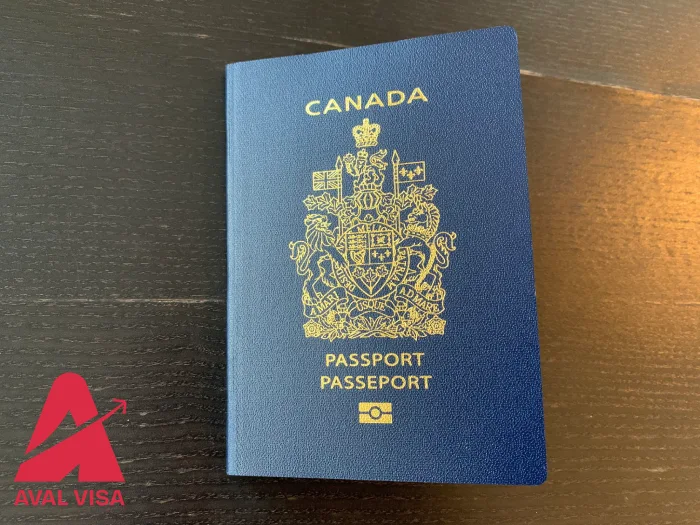
نقشه کانادا
کانادا دومین کشور بزرگ و پهناور جهان با مساحت 9٬984٬670 کیلومتر مربع است که در قاره آمریکای شمالی واقع شده، از شرق به اقیانوس اطلس، از غرب به اقیانوس آرام و از شمال به اقیانوس منجمد شمالی میرسد؛ از جنوب هم با ایالات متحده مرز مشترک دارد. استانهای این کشور شامل:
- آلبرتا (Alberta)
- بریتیش کلمبیا (British Columbia)
- مانیتوبا (Manitoba)
- نیوبرانزویک (New Brunswick)
- نیوفاندلند و لابرادور (Newfoundland and Labrador)
- نوا اسکوشیا (Nova Scotia)
- انتاریو (Ontario)
- جزیره پرنس ادوارد (Prince Edward Island)
- کبک (Quebec)
- ساسکاچوان (Saskatchewan)
شده و سه منطقه قلمرو شمالغرب (Northwest Territories)، آتلانتیک (Atlantic)، نوناووت (Nunavut) و یوکان (Yukon) دارد. هرکدام از این مناطق برنامه مهاجرتی اختصاصی خودشان را بر اساس نیازها و کمبودهای بازار کارشان دارند و سالانه بهروزرسانیهای این برنامه را از طریق سایتهای رسمی دولت منتشر میکنند.
تحصیل در کانادا
کانادا یکی از محبوبترین مقاصد تحصیلی جهان است و هر سال هزاران دانشجوی بینالمللی برای ادامه تحصیل این کشور را انتخاب میکنند. دانشگاههای معتبر، کیفیت بالای آموزش، امکان کار همزمان با تحصیل، فرصت دریافت مجوز تحصیل کانادا و مسیر مناسب برای تبدیل ویزای تحصیلی به اقامت دائم، از مهمترین دلایل محبوبیت این کشور هستند. دانشجویان میتوانند در مقاطع مختلف تحصیلی از کالج تا دکتری ادامه تحصیل دهند و پس از فارغالتحصیلی نیز با دریافت ورک پرمیت کانادا و کسب سابقه کار، شانس خود را برای اخذ اقامت دائم کانادا افزایش دهند.
همچنین بسیاری از دانشگاهها و مؤسسات آموزشی، بورسیههای متنوعی ارائه میکنند و برخی رشتهها مانند پزشکی، مهندسی، علوم کامپیوتر و مدیریت از پرطرفدارترین گزینهها برای تحصیل در کانادا به شمار میروند. اگر قصد ادامه تحصیل در این کشور را دارید، پیشنهاد میکنیم راهنماهای تحصیل پزشکی در کانادا، دوره Co-op در کانادا و تبدیل ویزای تحصیلی به کاری کانادا را نیز مطالعه کنید.
شهرهای مهم کانادا
کشور کانادا با تنوع جغرافیایی و فرهنگی، موقعیتهای متنوع کاری و رفاه بالا بهترین شرایط را برای زندگی شهروندانش فراهم کرده است. مهاجران ایرانی معمولا ترجیح میدهند در شهرهای بزرگ کانادا ساکن شده و در شرکتها و هلدینگهای معروف مشغول شوند اما شرایط زندگی در شهرهای کوچکتر هم برای زندگی آرام و بدون دغدغه مناسب است، در نتیجه بر اساس سبک زندگی و تخصص کاریتان میتوانید زندگی در شهرهای بزرگ یا مهاجرت به مناطق کمجمعیتتر را انتخاب کنید. در ادامه قرار است شهرهای مهم و موردعلاقه ایرانیان برای زندگی را معرفی کردیم:
پیشنهاد ما: برای مهاجرت به مناطق کمجمعیت، مقاله مهاجرت به مناطق روستایی کانادا را بخوانید.
تورنتو (Toronto)، مرکز اقتصادی و فرهنگی کانادا
تورنتو معروفترین شهر کانادا با جمعیت زیادی از مهاجران ایرانی است که در استان انتاریو واقع شده و محیطی چند فرهنگی و البته مهماننواز دارد. این شهر به دلیل وسعت و البته موقعیتی که دارد، میزبان تعداد زیادی از شرکتها و هلدینگهای بزرگ، شرکتهای بینالمللی و موسسات مالی، مراکز اقتصادی و تجاری است.
مهمترین مزیت زندگی در تورنتو، دانشگاهها و مراکز معتبر آموزشی، فرصتهای شغلی متنوع و پویا، امنیت شغلی و درآمد نسبتا بالا است؛ البته باید این نکته را هم اضافه کرد که هزینه زندگی در این شهر نسبتا زیاد است و برای روزهای اول مهاجرت شاید زندگی در شهرهای کوچکتر انتخاب بهتری برای برخی از مهاجران باشد.
ونکوور (Vancouver)، شهر ساحلی با طبیعت زیبا
ونکوور هم یکی از شهرهای محبوب مهاجران ایرانی است که در استان بریتیش کلمبیا واقع شده و بیشتر با طبیعت زیبا، سواحل، جنگلهای سرسبز و البته آبوهوای نسبتا معتدلش شناخته میشود. ونکوور در مقایسه با تورنتو و مونترال هوای مطبوعتری دارد و دانشگاههایش میزبان تعداد زیادی از دانشجویان ایرانی است.
بازار کار در بریتیش کلمبیا متنوع است و علاوه بر موقعیتهای شغلی در حوزههای فناوری اطلاعات IT، مدیریت مالی، تجارت و راهاندازی بیزینس، برای فعالان حوزه توریسم، فیلمسازی و هنر هم یکی از بهترین شهرهای کانادا برای زندگی است.
مونترآل (Montreal)، پایتخت فرهنگی و هنری کانادا
مونترال، بزرگترین شهر فرانسویزبان کشور کانادا است که در استان کبک واقع شده و بهعنوان پایتخت فرهنگ و هنر کشور هم شناخته میشود. علاوه بر دانشگاههای مهمی مثل دانشگاه مونترال، دانشگاه کنکوردیا، دانشگاه مکگیل و هزاران مرکز آموزشی، مونترال برای فعالان و متخصصان حوزه:
- فناوری اطلاعات و ارتباطات
- توسعهدهنده بازی (Game)
- مدیران مالی
- متخخصان بانکداری
- پرستاران
- پزشکان عمومی و متخصص
موقعیتهای شغلی متنوعی دارد. در مقایسه با دو شهر بزرگ تورنتو و ونکوور، هزینه زندگی و شهریه دانشگاهها در مونترال کمتر است؛ به همین خاطر هم دانشجویانی که میخواهند درخواست مجوز تحصیل کانادا بدهند، دانشگاهها و مراکز آموزشی مونترال را انتخاب میکنند.
اتاوا (Ottawa)، پایتخت سیاسی کانادا
اتاوا پایتخت سیاسی کشور کانادا است که در استان انتاریو واقع شده، محل استقرار پارلمان و مراکز دولتی است. در مقایسه با شهرهایی مثل تورنتو و ونکور ایرانیان کمتری در اتاوا زندگی میکنند و بیشترشان هم در حوزه مشاعل دولتی فعال هستند. اگر کارمند رسمی دولت کانادا بشوید یا بخواهید در حوزه شغلهای دولتی، فناوری اطلاعات، امنیت سایبری، بهداشت و درمان، بانکداری و مدیریت مالی فعالیت کنید، در اتاوا هم موقعیتهای شغلی خوبی پیدا خواهید کرد.
کلگری (Calgary)، مرکز انرژی و تجارت غرب کانادا
شهر کلگری در استان آلبرتا، مقصد محبوب مهندسان ایرانی به ویژه متخصصان حوزه نفت، گاز و انرژیهای نو است. دانشجویان ایرانی برای ادامه تحصیل در این استان میتوانند برای دانشگاه آلبرتا، دانشگاه کلگری یا دانشگاه مونت رویال اپلای کرده و بعد از فارغالتحصیلی هم با تبدیل ویزای تحصیلی به ورک پرمیت کانادا (لینک) مشغول کار شوند. بیشتر موقعیتهای شغلی این استان روی صنایعی مثل:
- انرژی و نفت و گاز
- انرژیهای تجدیدپذیر و فناوری سبز
- ساختمانسازی و مهندسی
- حملونقل و لجستیک
- صنایع کشاورزی و فرآوری مواد غذایی
تمرکز دارند.
زندگی در کانادا
پس از ورود به کانادا، آشنایی با قوانین و خدمات اولیه مانند دریافت سین نامبر (SIN)، اجاره خانه، دریافت گواهینامه رانندگی و آشنایی با قوانین خانوادگی اهمیت زیادی دارد. اطلاع از این موارد باعث میشود مهاجران راحتتر زندگی خود را در کانادا آغاز کنند.
جاذبههای دیدنی کانادا
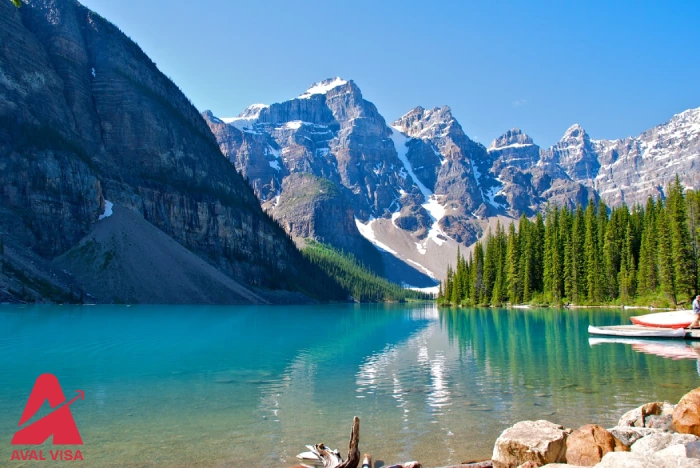
کانادا کشوری وسیع و پهناور با جاذبهها و دیدنیهای متفاوت است. از طبیعت و پارکهای ملی وسیع و بینظیر تا جاذبههای شهری مدرن همگی بخشی از دیدنیهای کشوری هستند که قدمت چندانی ندارد اما مردمش از سطح بالای رفاه و امنیت اجتماعی در زندگی برخوردارند. در ادامه تعدادی از معروفترین جاذبهها را معرفی کردیم.
جاذبههای طبیعی و پارکهای ملی کانادا
طبیعت کانادا بینهایت زیبا و سرسبز است و با توجه به اهمیت دولت به مسائل زیستمحیطی، بخش زیادی از طبیعت سرسبز این کشور شامل پارکهای ملی میشود. در جدول زیر تعدادی از این جاذبههای طبیعی که شهرت جهانی دارند را برایتان آوردیم:
| جاذبه | لوکیشن | دیدنیها |
|---|---|---|
| پارک ملی بنف | آلبرتا | کوههای راکی، دریاچه لوئیز، دریاچه موراین و پیستهای اسکی |
| پارک ملی جاسپر | آلبرتا | یخچالهای طبیعی، آبشارها، دریاچهها |
| آبشار نیاگارا | انتاریو | مرز طبیعی کانادا و آمریکا |
| پارک ملی گروس مورن | نیوفاندلند و لابرادور | میراث جهانی یونسکو |
| پارک ملی کاپیلانو | بریتیش کلمبیا | پل معلق Capilano و جنگلهای بارانی |
| دریاچههای هزار جزیره | انتاریو | طبیعت زیبا و قایقسواری |
جاذبههای شهری کانادا
در شهرهای کانادا هم ردپایی از جاذبههای تاریخی و مدرن به چشم میخورد که تعدادی از معروفترینشان را در ادامه آوردیم:
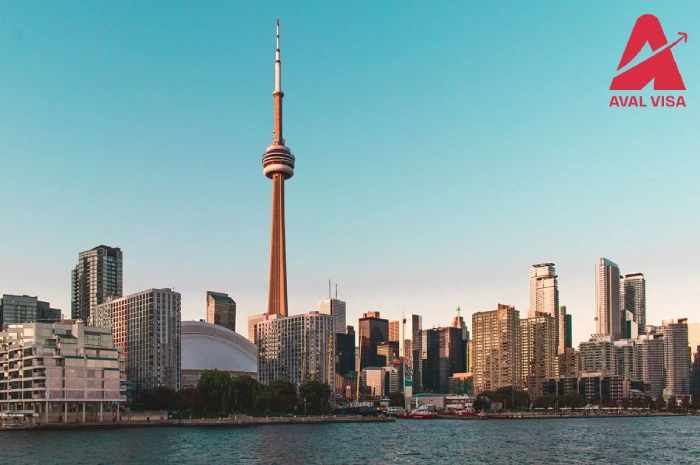
- برج CN در تورنتو
- موزه سلطنتی انتاریو
- شهر قدیمی مونترال
- کلیسای نوتردام مونترال
- پارلمان هیل
- موزه تاریخ کانادا
- برج کلگری
- موزه Glenbow
- شهر قدیمی کبک
- قلعه Frontenac
- شهر ویکتوریا با باغهای بوچارت
- مرکز فرهنگی بومیان
- قلعه لوئیزبرگ
- موزه هنر مونترال
اقتصاد کشور کانادا
واحد پول کشور کانادا، دلار کانادا (CAD) است که هر دلار کانادا به 100 سنت تقسیم شده و اسکناسها در مقادیر 5، 10، 20، 50 و 100 دلاری موجود هستند. سکههای در گردش هم 5، 10 و 25 سنتی و یکدلاری (لونی) و دودلاری (تونی) هستند. سکه یکسنتی از سال 2012 دیگر ضرب نمیشود و پرداخت نقدی به نزدیکترین 5 سنت گرد میشود. دلار کانادا به دلیل ثبات اقتصادی و پشتوانه منابع طبیعی، یکی از مهمترین ارزهای جهان است و ساختار اقتصادی کشور بهعنوان یکی از بزرگترین اقتصادهای جهان، ترکیبی از اقتصاد آزاد و درآمدزایی منابع طبیعی کشور مانند زمینهای کشاورزی است. اطلاعات بیشتر درباره میزان درآمد، ساختار و چهارچوب اقتصاد کشور کانادا را میتوانید در سایت رسمی دولت بخوانید.
اقتصاد آزاد کانادا به تجارت بینالمللی وابسته است و سیستم بانکی کشور هم بهعنوان یکی از امنترین سیستمهای مالی جهان شناخته میشود. از طرف دیگر به دلیل مهاجرپذیر بودن کانادا، در اقتصاد و بازار کشور، حضور نیروی کار تحصیلکرده و ماهر موجب رشدتکنولوژی و صنایع مدرن شده است. منابع اصلی درآمد کانادا هم شامل انرژی و منابع طبیعی، صادرات نفت، صادرات گاز و دیگر مواد معدنی مانند طلا و نیکل، تولید محصولات کشاورزی و ارگانیک، صنعت خودروسازی و هوافضا، خدمات مالی و بانکی، هوش مصنوعی، بیوتکنولوژی و فناوریهای سبز میشود.
بازار کار و مشاغل مورد نیاز کانادا
کانادا هر سال هزاران نیروی متخصص را برای جبران کمبود نیروی کار جذب میکند. آشنایی با مشاغل مورد نیاز کانادا، ناک شغلی (NOC/TEER)، جاب آفر، مجوز LMIA و میانگین درآمد مشاغل مختلف، شانس موفقیت متقاضیان را افزایش میدهد. اگر قصد مهاجرت کاری دارید، پیشنهاد میکنیم ابتدا این راهنماها را مطالعه کنید.
مهاجرت به کانادا با اول ویزا
اگر قصد مهاجرت به کانادا دارید، میتوانید با انواع روشهای ویزای تحصیلی کانادا، ویزای استارتاپ کانادا، ویزای کاری کانادا، سرمایهگذاری، برنامه استانی و یا اکسپرس اینتری و دهها روش دیگر شانس خود را برای اخذ اقامت دائم کشور کانادا امتحان کنید.
برای شروع پیشنهاد میکنیم فرم مشاوره اول ویزا را کامل کنید تا بر اساس فاکتورهایی مانند سن، سرمایه، شرایط شغلی و رشته تحصیلیتان بهترین روش برای اخذ ویزای کانادا را معرفی کنیم. در تمام این مسیر برای تکمیل فرمهای اخذ ویزا، نگارش نامههای اداری و سایر کارهای معمول تا زمان ورود به کشور کانادا کنارتان هستیم و در صورت نیاز به تمدید ویزا هم میتوانید با مجموعه تماس بگیرید.
سوالات متداول
- سیستم اکسپرس Express Entry چیست و چگونه کار میکند؟ سیستم اکسپرس اینتری راهی مطمئن برای مهاجرت نیروی کار ماهر و متخصص به کانادا است. این سیستم بر اساس فاکتورهایی مثل مهارت کاری، مدارک دانشگاهی، تسلط به زبان، سابقه کاری و تطبیق با جامعه جدید عمل کرده و به متقاضی امتیاز میدهد تا در صورت رسیدن به امتیاز لازم دعوتنامه برای اخذ اقامت دائم صادر شود.
- بهترین شهرهای کانادا برای مهاجران ایرانی کدامها هستند؟ بهترین شهرها بر اساس بازار کار، تخصص و سرمایه متقاضی و سبک زندگی پیشنهاد میشود اما مهاجران ایرانی معمولا زندگی در شهرهای بزرگی مقل تورنتو، ونکوور، کلگری، مونترال، اتاوا، ادمونتون و شهر کبک را ترجیح میدهند.
- آیا بدون مدرک زبان میتوان مهاجرت کرد؟ خیر، اکثر برنامههای مهاجرتی نیازمند اثبات تسلط متقاضی به زبان انگلیسی یا فرانسوی هستند، البته سطح نمره موردنیاز در هر برنامه متفاوت است.
- آیا زبان فرانسوی در کانادا واجب است؟ زبان رسمی استان کبک فرانسوی است و در نیوبرانزویک هر دو زبان رسمی هستند؛ در نتیجه برای مهاجرت به این مناطب تسلط به زبان فرانسه نقش کلیدی دارد.
This article is general information, not legal advice, and it describes published official rules rather than any individual case. Hadi Imani is a Regulated Canadian Immigration Consultant, licence R522575, practising in Toronto; that licence covers Canadian immigration only.