Managers and entrepreneurs who already hold a Dutch residence permit and are looking for a solid base in the country can, with the right capital and a workable idea, register a company in the Netherlands and enter the European market. Registering a company does not give you a residence permit by itself. If you do not live in the Netherlands yet and want to build an innovative company there, the route to look at is the Dutch startup visa. The country combines strong economic infrastructure, a mature start-up ecosystem and a transparent immigration system, which is why it ranks high among places to incorporate.
This guide looks in detail at the requirements for registering a Dutch company, the sectors with the best margins and the cities that suit migrant founders. It takes a few minutes to read.
Requirements for registering a company in the Netherlands
Most foreign founders register either a BV, a private limited company, or an NV, a public limited company. Once you have settled on the structure you need a trading name and a document pack. Two steps matter above all: submitting a complete set of documents and registering the company with the Dutch Chamber of Commerce (KVK).
Start with a detailed business plan showing how the venture will make money, and make sure the following are in place:
- Share capital appropriate to the structure. A BV can be incorporated with as little as EUR 0.01 of issued capital, while an NV requires a minimum of EUR 45,000
- A registered business address in the Netherlands
- Articles of association executed by a Dutch civil-law notary
- Registration with the Dutch Chamber of Commerce (KvK)
- A KVK registration number
- A Dutch tax number and a Dutch IBAN bank account
Steps to register a company in the Netherlands
If you meet the conditions above, the application goes to the Chamber of Commerce, and you will end up with a registration number and a tax number. Before that, work through the following:
- Choose a company name that complies with Dutch rules
- Choose a legal structure, usually a BV private limited company or an NV public limited company
- Assemble the documents on the checklist
- Make sure your Dutch residence permit is valid before you file
- Obtain a citizen service number (BSN)
- Complete the online registration form for the KVK
- Register with the Chamber of Commerce (KVK) and pay the fee
- Register the ultimate beneficial owner (UBO) with the Chamber of Commerce
- Provide a permanent or temporary business address in the Netherlands
- Register with the Dutch Tax and Customs Administration once the company exists
- Open a Dutch bank account

Documents needed to register a Dutch company
With the steps and requirements clear, here is the paperwork. As noted, this route is for people who already hold a valid Dutch permit, so alongside your residence documents you will need:
- Your citizen service number (BSN)
- A business address
- The legal structure of the company
- The trading name
- A bank account
- UBO details
- A business permit, where the activity requires one
- Academic qualifications and employment history
Aval Visa suggests: Dutch residence through buying property
The cost of registering a company in the Netherlands
The cost depends on the structure. For a BV, a private limited company, the Chamber of Commerce (KVK) registration fee is currently EUR 85.15, and the notarial deed of incorporation usually costs between EUR 500 and EUR 1,500. That puts the initial cost of a BV at roughly EUR 585 to EUR 1,585. Items such as a business address, a bank account, bookkeeping and advisory fees come on top.
Registering with the KVK step by step
Book an appointment with the Chamber of Commerce in advance and complete the online form. You then submit identity documents and company documents, including the structure and articles, together with the business plan, and file the registration request. Once it is approved, the owner pays the fee and the company is entered on the register.
Permits you may need
Beyond your residence permit and the Chamber of Commerce registration, some activities require additional permits. The table below sets them out.
| Permit | Details |
|---|---|
| Business activity permit | Required only for specific regulated activities and sectors - hospitality, healthcare, taxi transport, security, or activities with an environmental impact. There is no general operating licence for every company |
| Permit for physical signage | For expanding or renovating premises, installing advertising signs and related work |
| Municipal permit | Varies by type of business |
Taxes on a Dutch company
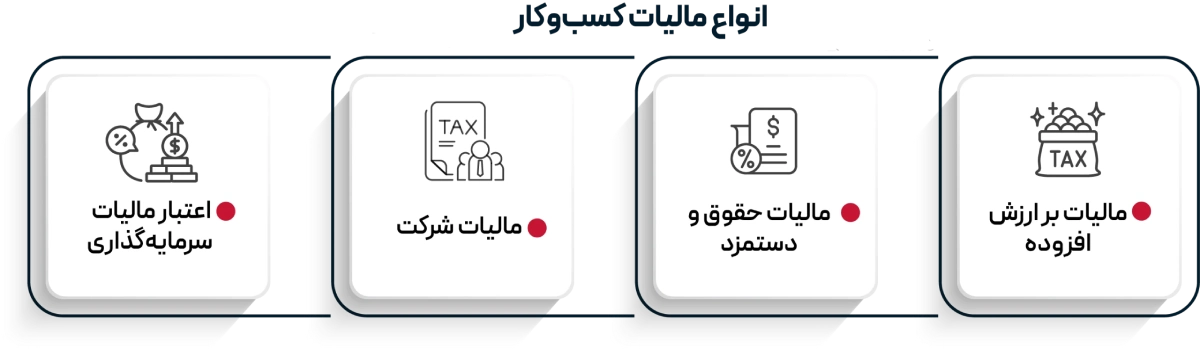
Directors and skilled employees earning income in the Netherlands need a tax number and must meet all statutory payments. Company taxation covers:
- Value added tax (BTW)
- Payroll tax
- Corporate income tax (vennootschapsbelasting)
- Investment allowances (investeringsaftrek)
Value added tax (BTW) applies to almost every business in the Netherlands and is charged on goods and services. The standard rate is 21 per cent, with a reduced rate for some categories. Very small businesses with an annual turnover below EUR 20,000 can opt into the small businesses scheme (KOR) and stop charging VAT altogether.
Read more: everything about the cost of living in the Netherlands
If the business employs staff, it must withhold tax from their wages. This is known as payroll tax.
Corporate income tax (vennootschapsbelasting) applies to private and public limited companies, and the owners of both are responsible for calculating and paying it. Investment allowances, chiefly the small-scale investment allowance (KIA), exist to encourage capital investment and reduce taxable profit.
The best sectors for a company in the Netherlands
The Netherlands is a leader in innovative industry, information technology and exports. If you are a founder or a manager, the table below is worth a look: these are the sectors with the most room for growth.
| Sector | Reason to choose it |
|---|---|
| IT and digital startups | Easy access to investors and accelerators |
| Green and clean technology | Government support and rapid growth in the European market |
| Smart agriculture | Technology-driven and export-oriented |
| Artificial intelligence and data analytics | Presence of global companies and strong research centres |
| Fintech | Digital banking infrastructure and open finance rules |
The best cities to live and work in the Netherlands
Choosing a city means weighing living costs, salary levels, job openings and the character of the place. Larger cities such as Amsterdam and Rotterdam have bigger international communities; smaller ones have fewer. The table below compares the main advantages of four major Dutch cities.
| City | Advantages |
|---|---|
| Amsterdam | Hub for startups and investors – headquarters of many companies |
| Rotterdam | Commercial port and logistics hub – international and more affordable |
| Eindhoven | Technology cluster close to engineering universities – suited to tech companies |
| The Hague | Suited to legal and international businesses – diplomatic environment |
Applying for a Dutch visa with Aval Visa
Registering a company in the Netherlands is a route into a powerful European market, a way to build a business and, alongside a self-employed or start-up permit, part of a longer-term plan to stay. If you are ready to start a business in one of the most innovative countries in the world, the team at Aval Visa can work with you.
We cover the business plan, the appointment booking, the visa forms and the legal advice around them. Complete the free assessment form or speak to our advisers, and start your move to the Netherlands on a clear footing.
Frequently asked questions
- Where do you register a trademark in the Netherlands? Trademarks are registered with the Benelux Office for Intellectual Property (BOIP), which covers the Netherlands, Belgium and Luxembourg.
- What can you do if your intellectual property rights are infringed? Options include sending a formal notice, filing a claim with the Dutch commercial courts, or acting through WIPO or the EUIPO in international cases.
- How do you choose a company name in the Netherlands? The trading name must be distinctive and comply with Dutch company law and Chamber of Commerce rules.
Official source: Business.gov.nl — registering with the Dutch Chamber of Commerce (KVK)
This article is general information, not legal advice, and it describes published official rules rather than any individual case.