The thing most applicants worry about is a refusal. That is why building the file against the checklist the embassy publishes deserves real time and attention. Part of that file is a group of documents known as emotional ties, financial ties, employment ties and family ties, and there is no single official definition of what they should contain.
In this article we go through the types of tie, what each one is meant to prove and which documents support it.

What is a tie?
A tie is anything that shows an applicant is bound to their country of residence and will return there when the visa expires. Ties are not needed for permanent residence programmes, where you are applying to settle. For every temporary visa, though, including study, work and visitor visas issued for a limited period, showing your ties to your home country is a core part of the assessment.
A tie is not a certificate
Contrary to what many applicants assume, a tie is not a single document or a legal certificate confirming that you will come home. It is a set of documents attached to the file to show that you do not intend to overstay or settle unlawfully. Ties fall into several categories:
- Financial ties
- Employment ties
- Community ties
- Family and emotional ties
Types of tie
The more ties you can document, and the stronger they are, the clearer it becomes to the officer that you have sound reasons to go home, and the lower the risk of refusal. Here is what each category covers.
Employment ties (Business Tie)
Employment ties are among the most important. They show the officer that you hold a stable, properly paid full-time job at home and that you are travelling on approved leave. The usual evidence is:
- A letter confirming your employment, with your start date and position
- An approved leave-of-absence letter
- An employment contract setting out duties and salary
- A business licence or company registration document, if you are self-employed
The officer may ask for more.
Community ties (Community Tie)
Community ties are the category applicants think about least, and they carry real weight. They show that you are an active member of your community with commitments waiting for you at home. Documented involvement in:
- Cultural associations
- Charities and volunteer organisations
- Sports clubs and study groups
- Community projects and local events
all counts, and including the evidence reduces the risk of refusal.

Financial ties (Financial Tie)
Financial ties matter as much as emotional and employment ties when it comes to satisfying the officer, and they are among the strongest evidence available.
They show that the applicant has an economic stake and stable resources at home, can pay for the trip and has enough behind them to cover the whole stay. You may assume that account statements, payslips and a source-of-income letter finish the job. They do not. Every asset that reflects your financial position feeds into the assessment.
Property deeds, tenancy agreements, investments in private or listed companies, tax records and documented trading accounts are all part of your financial standing. They show that when you return home you can meet your ongoing costs and that you have a life to come back to. That is why financial ties, alongside family and emotional ties, count so heavily in visitor, study and work visa applications.
Family and emotional ties (Family / Emotional Tie)
Family and emotional ties are the strongest category in most visa assessments, because they show that the applicant has a concrete reason to return: people at home and responsibilities that are already defined. This category covers situations such as:
- Being married and travelling without your spouse and children
- Caring for elderly parents
- Caring for other family members
- Running shared assets, such as a family business
To evidence family and emotional ties, attach the documents below to the application, and obtain certified copies or translations where they are required:
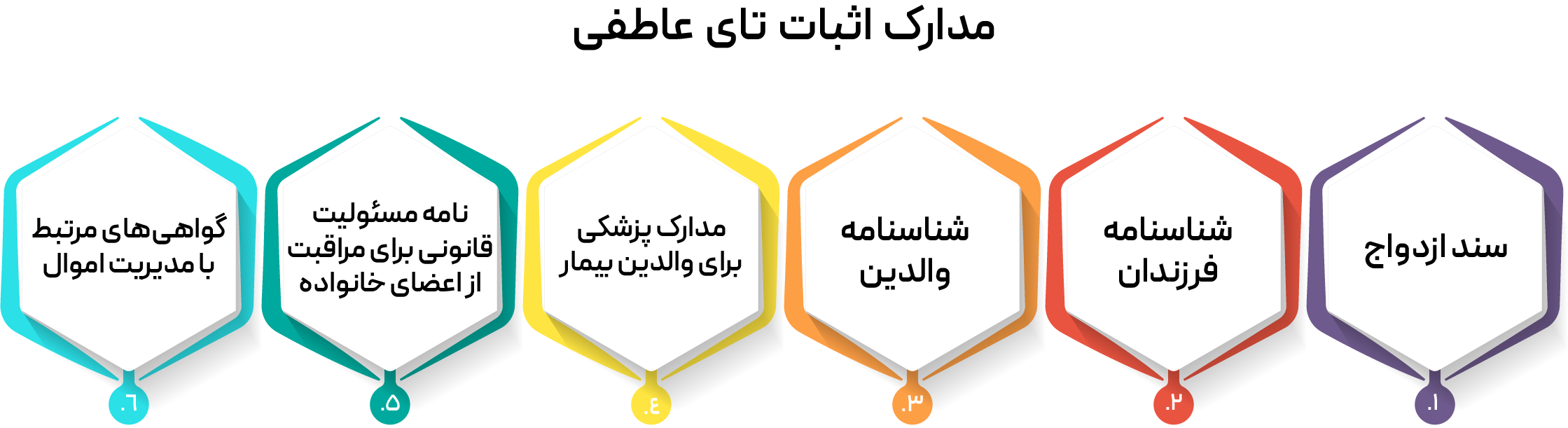
Family ties are one of the first things an officer looks at when testing the stated purpose of travel. Documented, verifiable evidence lowers the risk of refusal and gives the officer a basis for accepting that the applicant does not intend to claim asylum or stay beyond the visa, and will actually return home.
Which visas require evidence of ties?
The next question is which applications call for evidence of emotional ties and the other categories. Here is the answer in detail.
Every non-immigrant visa requires it, including study, work and visitor visas. Officers deciding temporary, short-stay applications look at emotional, employment, financial, family and community ties to satisfy themselves that the applicant will leave at the end of the authorised stay. The table below lists the visa types where ties are assessed:
| Visa | Details |
|---|---|
| Tourist visa | Guarding against irregular immigration |
| Work visa | Guarding against unauthorised economic activity |
| Student visa | Requirement to return after graduation |
| Special temporary residence visa | Guarding against irregular immigration and asylum claims |
Which countries assess ties?
Here is how the main destinations treat the question.
Canada looks closely at emotional, financial, family, employment and community ties when deciding visitor, study and Canadian work visa applications. The officer has to be satisfied that the applicant will leave at the end of the authorised period, and the Immigration and Refugee Protection Regulations require exactly that finding. The Government of Canada sets out the tests and the supporting evidence on its official site, with examples.
The United States applies a statutory presumption, under section 214(b) of the Immigration and Nationality Act, that every applicant for a B1/B2 or F1 visa intends to immigrate. It is for the applicant to overcome that presumption by showing family, financial and professional ties and explaining their plans after the visa expires. This comes up in most US consular interviews, so prepare for it. The State Department publishes the detail.
The United Kingdom requires visitor applicants to satisfy the genuine visitor test, which turns in part on your circumstances at home, and applicants to the UK Student route may be credibility-interviewed on the same ground. All Schengen member states apply the same logic to short-stay visitor visas and to national visas for study and work, asking applicants to address the officer’s concerns about overstaying and unlawful settlement.
Australia and New Zealand assess ties for every temporary visa, including New Zealand student visas, work visas and visitor visas. Australia codifies it: student applicants must meet the Genuine Student requirement, and visitor applicants must satisfy the case officer that they intend a genuine temporary stay.
Preparing your file with Aval Visa
Emotional, financial, family and employment ties are among the factors that decide a temporary visa application. Documented, genuine, well-organised evidence shows that the applicant is bound to their country by family, work or property, and has no reason to remain unlawfully in the host country once the visa expires. Neglecting this part of the file is one of the more common reasons for a refusal, so the evidence has to be solid.
If you are applying for a temporary visa, whether visitor, study or work, you can contact Aval Visa for advice on documents and on presenting your ties clearly. Working with an adviser on the file lowers the risk of avoidable mistakes and saves time on a process that is long and costly to repeat.
Frequently asked questions
- Do I need to show ties for a US student visa (F-1)? Yes. Ties matter for the F-1, because the consular officer has to be satisfied that you intend to return home after graduating and put your qualification to use there.
- Can I get a visa without financial evidence? It is unlikely. Financial evidence shows that you can pay for the trip and that you have the resources to resume your life at home afterwards, and most temporary visa applications will not succeed without it.
- Will a weak set of ties lead to refusal? Frequently, yes. If the evidence of ties is thin or unverifiable, the officer may conclude that the applicant does not intend to return and will stay beyond the visa, and applications are commonly refused on that basis.
This article is general information, not legal advice, and it describes published official rules rather than any individual case.
