Finland is one of the wealthier countries of northern Europe and has become a popular destination for people planning to move abroad. For applicants who meet the requirements and want a settled future, a safe environment and durable work in Europe, Finland offers an active economy, social stability, a strong education system and a high standard of living.
To help you make an informed decision about moving to Finland, Aval Visa has put together this guide to the country: where it sits on the map, its main cities and capital, its population, official language, natural landmarks, and the real advantages and drawbacks of living there.
Where is Finland?
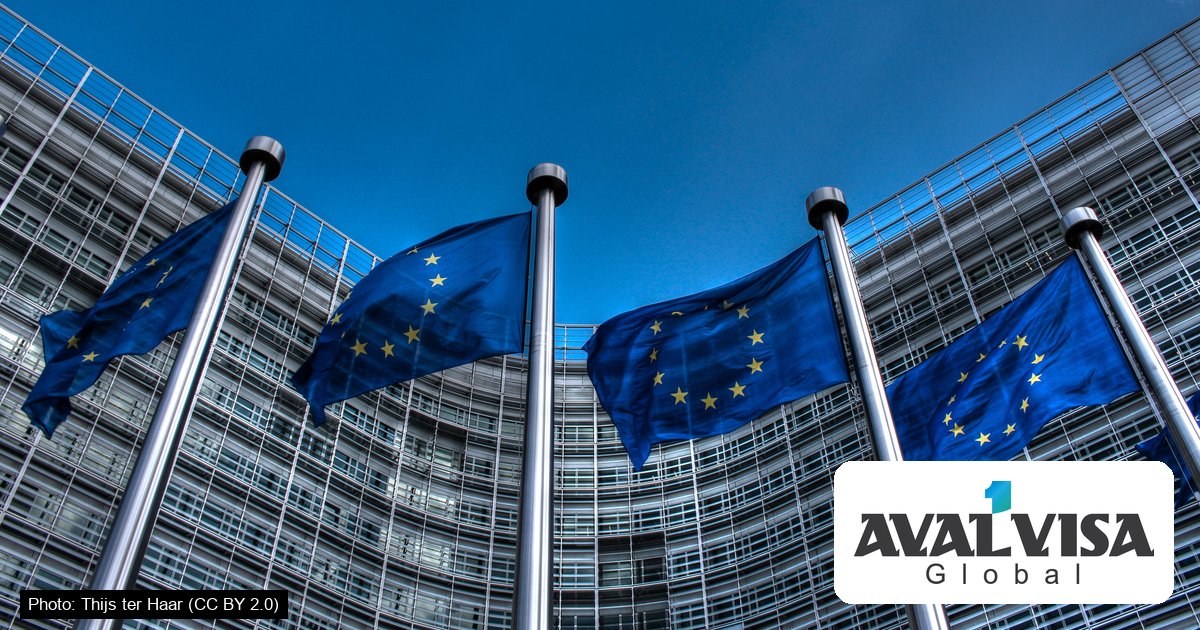
Finland is a prosperous country in northern Europe, part of the Nordic region, covering 338,000 square kilometres. Its capital is Helsinki. Finland is a member of the European Union and the Schengen area. It borders Russia to the east, Norway to the north and Sweden to the west, and the Baltic Sea lies to the south. That position has made Finland a bridge between western Europe and Russia and gives it a significant role in the economic and political affairs of the Nordic region.
Also worth reading: our guide to securing university admission and a Finnish student visa.
The main cities of Finland
Alongside the capital, here are the other cities worth knowing if you plan to work or live in Finland.
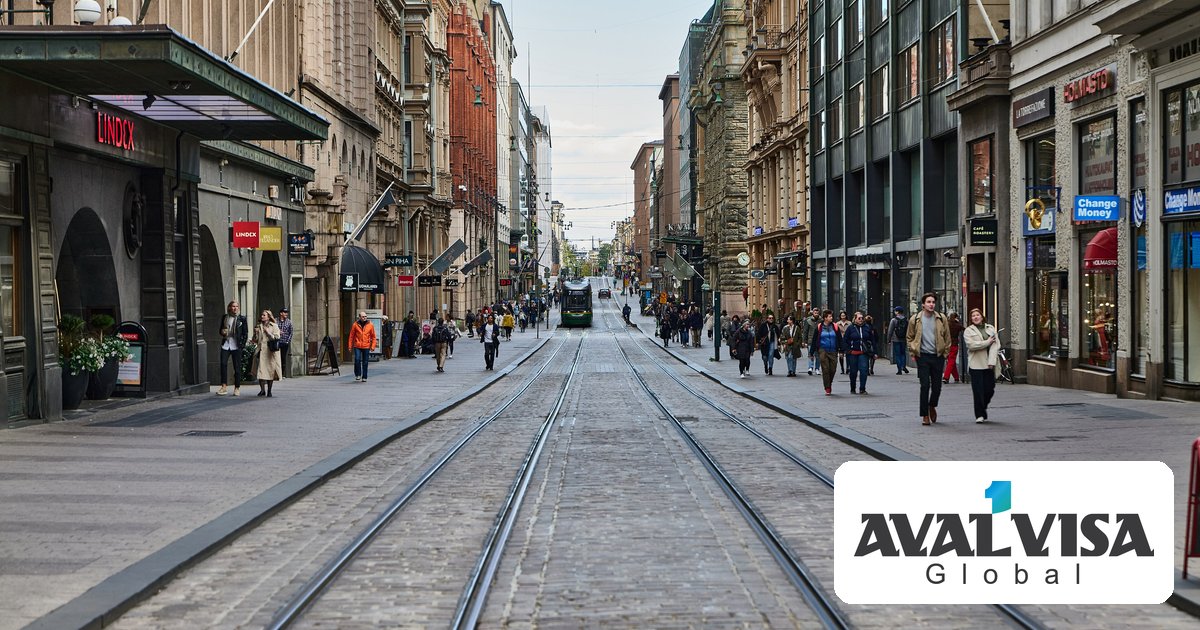
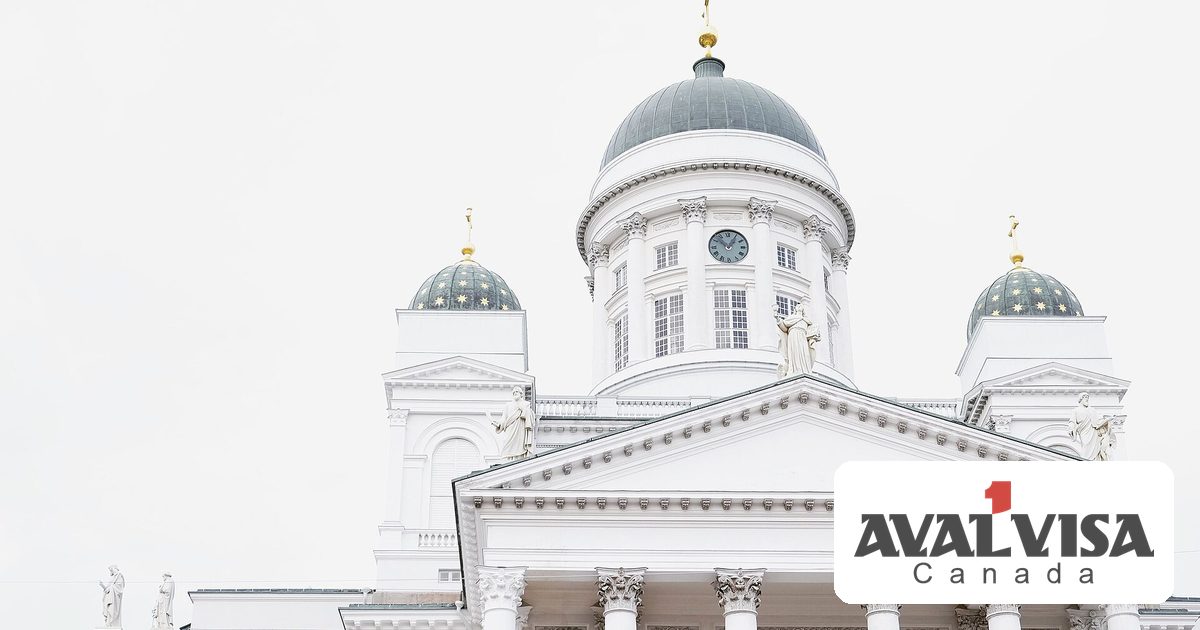
Helsinki, the capital
Helsinki is a modern coastal city with real energy, set on the southern coast. Its universities, start-ups, holding companies and large employers, along with high living standards, an efficient transport network and low crime, make it one of the strongest options for anyone moving to Europe. With the capital covered, here are the other cities.
Tampere
Tampere is the second largest city in Finland. It is both an industrial city and a student city, and it is recognised as the country’s centre for technology, industry and innovation. Its main institution is Tampere University, which is well known across northern Europe for mechanical, electrical and industrial engineering. Living costs in Tampere are lower than in Helsinki, which is why so many international students choose it.
Espoo
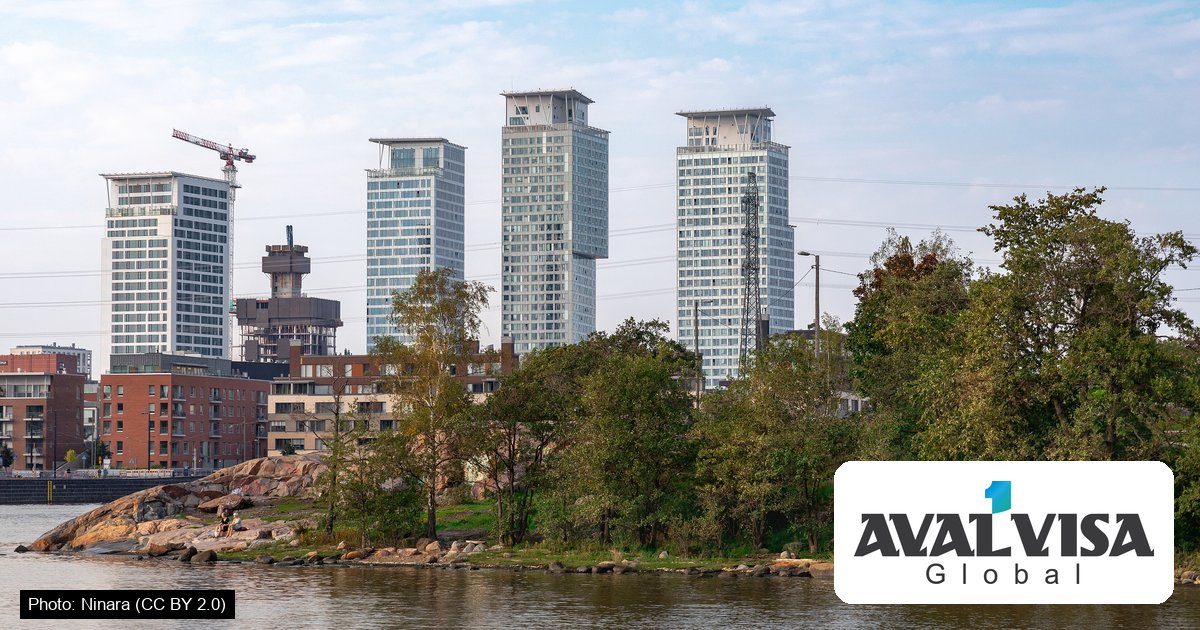
Espoo is known as the home of Finland’s technology giants. It hosts large technology employers including Nokia and several European research centres working in information technology, artificial intelligence, software development and data analysis. For technology and IT specialists, Espoo is the obvious starting point.
Read more: A complete guide to the Finland tourist visa
Turku
Turku is a historic city on the south-west coast and one of the oldest in the country. Its international universities, port and large number of healthcare institutions create steady demand in education, health, biotechnology, logistics and transport.
Oulu
Oulu is the innovation hub of northern Finland. It is one of the more important research and development (R&D) centres in the Nordic region, with a high standard of welfare, low crime and good facilities for families. That combination makes it a strong destination for people working in technology, electronics, telecommunications and clean energy.

Which city suits you?
Choosing a city comes down to lifestyle, costs, local facilities and the job market. Finland as a whole is a popular destination, but the right city differs from family to family and depends on your profession, your career goals and the income you need.
If you want a wide job market and a large modern city, Helsinki and Espoo are the natural choices. If you would rather have a quieter setting and lower costs, Tampere or Turku will suit you better.
Read more: A complete guide to the cost of living in Finland
Finland at a glance
With the capital and the main cities covered, here are the basics: the currency and the official languages.
Like other members of the eurozone, Finland uses the euro (EUR). Anyone travelling, trading, working, launching a start-up, studying or settling in the country will handle all financial transactions in euros.
Population
Finland has a population of around 5.6 million. It is thinly populated, and most people live in the south and in urban centres such as Helsinki, Tampere and Espoo. Finland is regularly named the happiest country in the world in international surveys. Beyond that, life expectancy, literacy and general health are among the highest in Europe, which is a large part of why so many people consider moving there.
Language
Finnish is the main language, and Swedish is the country’s second official language. Most people also speak English. Newcomers can manage in English in the early months, but learning Finnish eventually becomes necessary. English is enough for a work permit, a study permit or the Finland start-up visa, though Finnish is strongly recommended if you want to settle in properly.
Places to see in Finland
Now to the country itself: its natural landscape, its culture and its architecture.
Read more: The best subjects to study in Finland
The northern lights in Lapland
For most people, Finland means the aurora borealis. The northern lights are visible in the far north of Europe from autumn to early spring, and this rare natural display draws large numbers of visitors every year. Lapland is Finland’s northernmost region and is known as the land of the northern lights. If you want to see them, travel to Lapland and take in the untouched landscape while you wait for the sky to move.
The aurora appears at night as coloured light in polar skies, usually green, violet, pink or red, moving in waves, bands or arcs.
Suomenlinna fortress
Another landmark sits in the Gulf of Finland, close to Helsinki. A small group of islands there holds one of the country’s most important historic sites, the fortress of Suomenlinna.
Suomenlinna is an eighteenth-century sea fortress built across several small islands near the capital, and it is on the UNESCO World Heritage list. It was constructed while Finland was part of the Swedish empire, to defend the Finnish coast against attack from the sea.
Read more: The best universities in Finland
Lake Saimaa
Saimaa is the largest lake in Finland and one of the largest in Europe, in the south-east of the country. It is known worldwide for boating, fishing and nature tourism, and it is the only home of the Saimaa ringed seal. Many visitors travel south specifically to see its shoreline.
Finland’s landscape more generally is unspoiled. The country has around 40 national parks with the distinctive plant and animal life of northern Europe. Parks such as Nuuksio and Repovesi, with dense forest, clear lakes and marked trails, are the best weekend destinations and an easy escape from the city.
The advantages and disadvantages of moving to Finland
With its unspoiled landscape, advanced education system, social security and high standard of living, Finland is one of the better countries to move to. Here are the main advantages and the honest drawbacks.
The advantages of living in Finland include:
- A high standard of living
- Strong health infrastructure and a real commitment to social equity
- Free, high-quality education
- Free schooling in the state system with good teaching standards
- A workable balance between work and life, with shorter working weeks and longer annual leave
- Social support and good, low-cost health insurance
- High personal safety and low crime
- Calm, beautiful landscape with endless forest
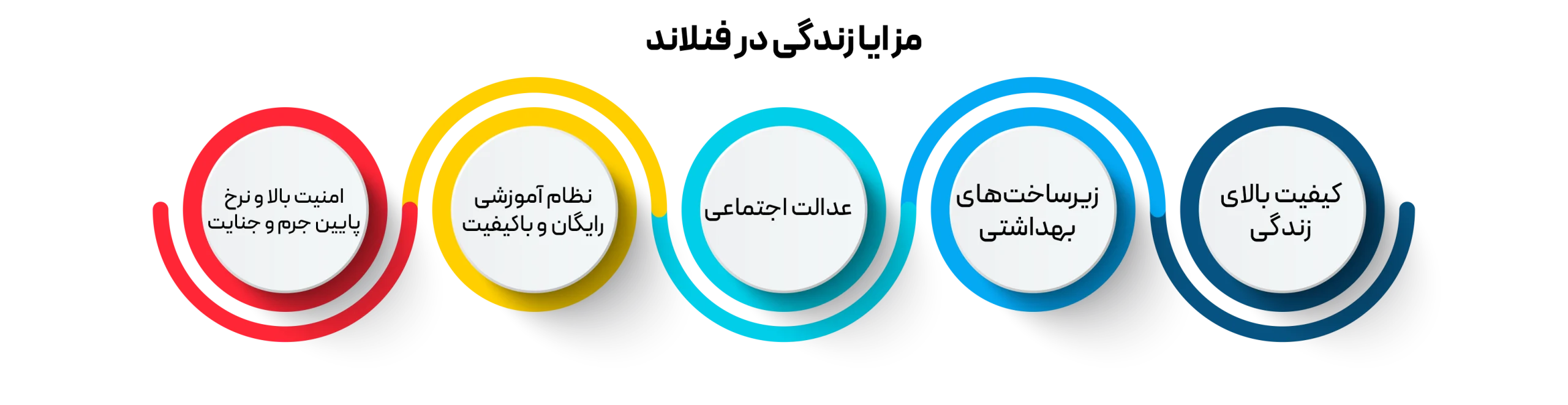
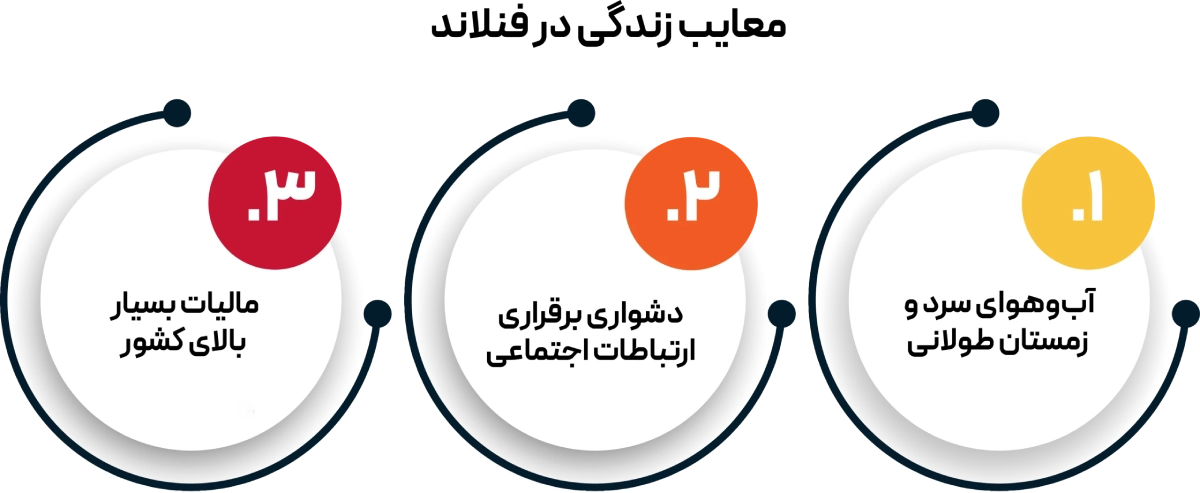
That list is persuasive, but a realistic view means looking at the drawbacks too, so you can judge them against your own situation. The first is the language. Finnish is not an easy language to learn, and it makes daily life harder for many newcomers for a long time.
The cold climate and long winter can bring on seasonal depression. For people arriving from warmer countries this is a serious issue, because adapting to the weather takes time.
The second is the difficulty of building a social life. Finns tend to be reserved and quiet, and new arrivals can feel isolated at first. Friendships take patience and time.
The last point matters as much as any: taxes are high. Public services in Finland are broad and well funded, but income tax rates are correspondingly high, and that comes as a shock to many new arrivals.
Moving to Finland with Aval Visa
Finland combines a small population, strong social welfare, a varied labour market and striking landscape, which makes it one of the better destinations in Europe. Before you take any step, though, you need a clear picture of the conditions, the obstacles and the opportunities.
This article is a short introduction to the country. If you need more detailed guidance, or you want to begin the process, contact the Aval Visa team. We will assess your situation against current Finnish immigration rules and set out the most suitable route for you.
Frequently asked questions
- Do I need Finnish to work in Finland? Not at the start. English is enough for many jobs in the first period, but specialist roles, and integration into daily life, require Finnish.
- What is the average salary in Finland? Pay varies by role, region and specialism, but average earnings fall roughly between EUR 3,000 and EUR 4,500 per month before tax.
- Is it easy for newcomers to find work in Finland? The chances are best in IT, engineering, medicine, education and social care, which are the fields with the strongest shortages.
This article is general information, not legal advice, and it describes published official rules rather than any individual case.