France has one of the largest economies in Europe and a broad, active market for well-paid specialists. If you want to work in France and you are not an EU national, the order is fixed: secure a job offer first, then apply for the work visa. This article sets out the highest paying jobs in France and then walks through the visa process, so you can decide whether moving to France makes sense for you.
Why work in France
Start with the basics: why France is worth considering, and what living there actually gives you. A French work visa and the residence permit that follows let you travel to other Schengen countries for short stays without a separate visa, and it opens the door to some of the largest companies in the world.
Pay is good, and after several years of legal residence you can apply to convert your status to permanent residence. Architecture, fashion, the creative industries, engineering, information technology, medicine and management all sit at the top end of the French pay scale, so working in those fields brings both a strong salary and a comfortable standard of living.
Quality of life and the balance between work and private life are the other reasons people choose France. The standard working week is 35 hours, and annual leave is generous, so specialists can build a career without giving up their evenings and weekends.
Everyone in the French labour market is covered by a solid social system: health insurance, paid leave and a state pension, with structured career progression. Multinationals and large groups are well represented, and long-term employment with one of them is a straightforward route to permanent residence in France. With that context, here are the best-paid occupations.
The highest paying jobs in France
| Occupation | Average annual pay in EUR |
|---|---|
| Surgeon | 120,000 to 250,000 |
| Chief Financial Officer (CFO) | 150,000 to 300,000 |
| Data specialist | 60,000 to 120,000 |
| Lawyer | 100,000 to 200,000 |
| Engineer | 80,000 to 150,000 |
| Airline pilot | 90,000 to 150,000 |
| IT manager | 100,000 to 200,000 |
| Marketing manager | 90,000 to 180,000 |
| Pharmacist | 50,000 to 100,000 |
| Architect | 60,000 to 120,000 |
Comparing French cities for work
A high salary goes further in some French cities than others, and pay is only part of the calculation. Before you apply for a work visa, weigh the local job market, the cost of living, the cultural mix and schooling for children alongside the salary itself.

Every French city has its own profile in terms of vacancies, pay, costs and quality of life. Paris, as the capital, has by far the most openings in technology, finance, marketing and engineering. It is also crowded, congested and genuinely multicultural. If a multicultural environment matters to you, Paris outperforms the smaller cities, though you pay for it.
Living costs in Paris are high, and average rent can absorb a large share of a salary.
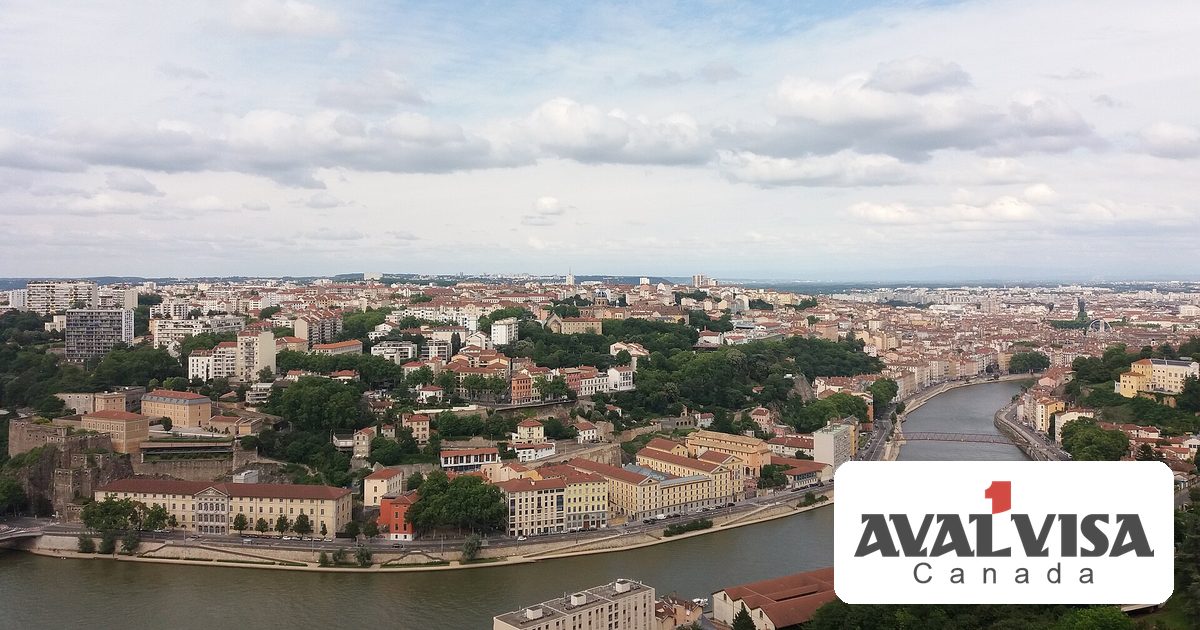
Lyon is France’s second economic centre. Costs are more reasonable and the labour market is varied and active. With a strong international corporate presence, Lyon is a popular base for people in the better-paid professions.
Toulouse is the centre of the French aerospace industry, with a deep market for technical and engineering roles. Quality of life is high and costs are sensible, which makes it the obvious choice for anyone aiming at employers such as Airbus.
Read more: A step-by-step guide to booking a French consulate appointment
Nantes and Montpellier are growing quickly and their labour markets are expanding. IT, customer service and digital marketing are strong options for work visa applicants. Neither city resembles Paris, but good local services and lower living costs have made them popular with professionals, investors and founders.
The best French cities for high-paying work
| City | Advantages | Drawbacks | Average annual salary (EUR) |
|---|---|---|---|
| Paris | Many job openings, HQs of international companies | Very high cost of living | EUR 60,000-120,000 |
| Lyon | More affordable, strong economy | Moderate job competition | EUR 45,000-90,000 |
| Toulouse | Aerospace engineering hub | Limited options outside engineering | EUR 50,000-100,000 |
| Nantes | Growing IT and engineering market | Less known among newcomers | EUR 40,000-80,000 |
| Montpellier | Low cost of living, suits freelancers | Fewer specialist roles | EUR 35,000-70,000 |
Types of French work visa
| Work Visa Type | Details |
|---|---|
| Visa Salarié | For employees with an employment contract and a fixed salary |
| Passeport Talent | For high-earning specialists |
| EU Blue Card | For university graduates on a high salary |
| Seasonal or short-term work visa | For seasonal jobs |
How to apply for a French work visa
The first step is a written job offer from a French employer. This is the harder part for non-EU applicants, because you have to find an employer, persuade them to hire you, and then rely on that employer to justify to the authorities why the role could not be filled from within the EU labour market.
To find vacancies, use LinkedIn, Indeed France, Monster France, France Travail and Meteojob. Apply, interview, and once you have a signed offer, register on France-Visas and book a consulate appointment to submit your documents and biometrics. If the long-stay visa is issued, you can travel to France, and on arrival you validate your visa and register your residence with OFII. The documents you need are listed below.
Documents required for a French work visa
A work visa application is built around the job offer. Once your French employer has issued a formal offer stating the start date, the duties and the salary, assemble the following and book your appointment for the visa and biometrics.
- Passport and civil identity documents
- A valid employment contract from the French employer
- The completed visa application form
- Academic documents, including transcripts and degree certificates
- A full CV covering your education and work history
- Evidence of your professional experience
- Proof of funds to cover your living costs for the first few months
- Health insurance covering the period of stay
- The work authorisation issued by the French labour administration (DREETS, which replaced the former DIRECCTE)
The cost of a French work visa
| Visa type | Government fee in euros | Service provider (VFS) fee in euros |
|---|---|---|
| Long-stay work visa | EUR 99 | EUR 30 to 40 |
| Talent Passport visa | EUR 99 | EUR 30 to 40 |
| France EU Blue Card | EUR 99 | EUR 30 to 40 |
| French short-stay work visa | EUR 90 (EUR 45 for children aged 6 to 11, free under 6) | EUR 30 to 40 |
| Seasonal work visa | EUR 99 | EUR 30 to 40 |
| Residence validation fee (OFII, after arrival in France) | EUR 60 | None |
French visa applications with Aval Visa
If you are planning to work in France and you have the profile for one of the better-paid roles, now is a reasonable time to start.
The French labour market is actively recruiting foreign specialists in IT, management, medicine and engineering. If you work in one of those fields, the opening is real. Fill in the free assessment form on the Aval Visa site and speak to one of our advisers about your options.
Frequently asked questions
- Can you work in France without a qualification?
It is much harder. Most non-EU work visa routes are built around a recognised qualification or documented professional experience, and employers need one of the two to justify the hire to the labour administration. - How long does a French work visa take?
A work visa is usually issued in six to eight weeks, though consulate workloads can push that out. - Does working in France lead to permanent residence?
It can. After five years of continuous residence and employment, with tax and social contributions paid, you can apply for permanent residence in France.
This article is general information, not legal advice, and it describes published official rules rather than any individual case.