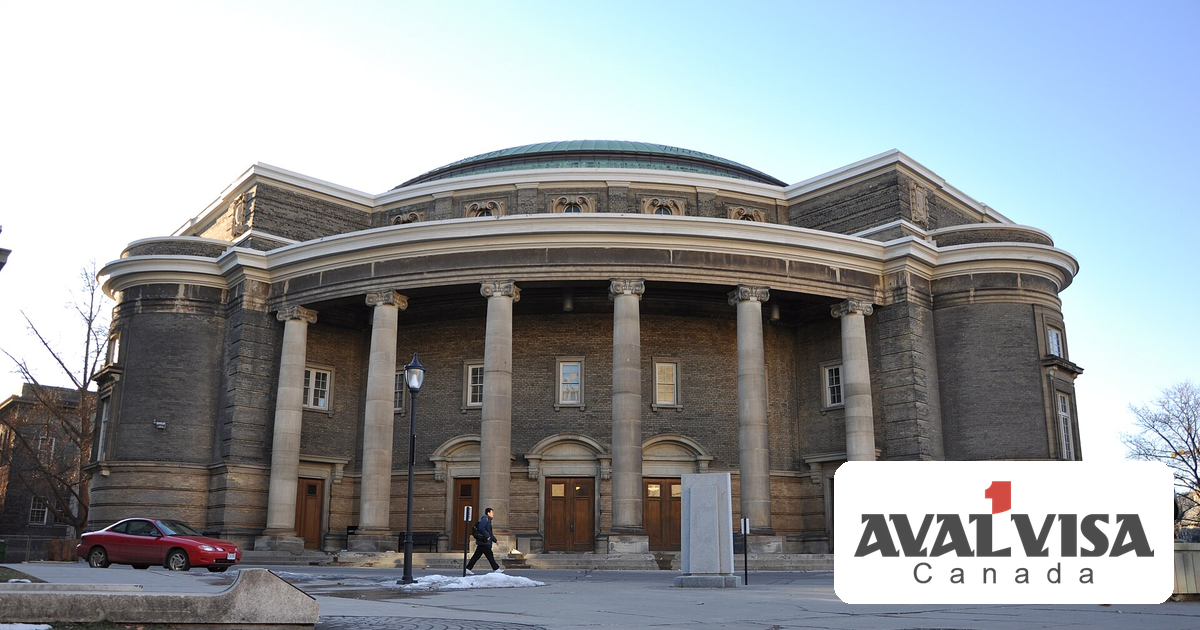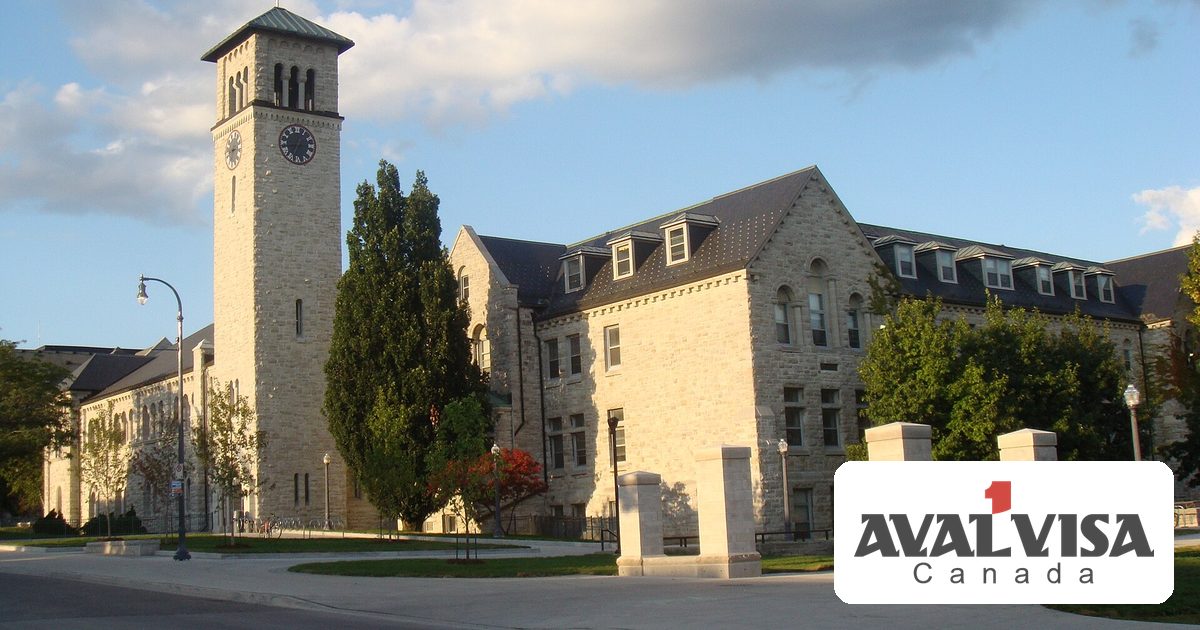
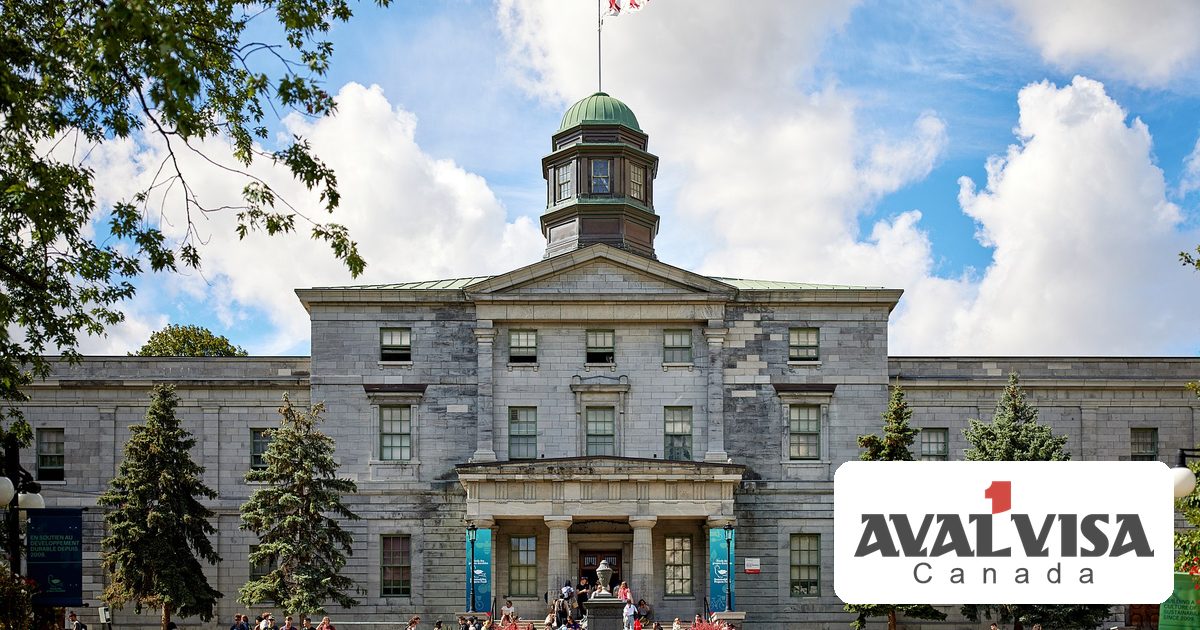
Canada has become one of the most popular destinations for international students. Studying in Canada means access to well-regarded universities, and it also means living in a safe, balanced, multicultural country while you do it.
Canada has hundreds of cities, and some of them are simply easier places to be a student: better funded institutions, more part-time work, cheaper housing, better transit. If you want to know which are the best cities to study in Canada and which universities sit in them, read on.

Why study in one of Canada’s top student cities
Many Canadian cities are established study destinations, and there are solid reasons to apply for a Canadian study permit and go. Note that most study permit applications also need a provincial or territorial attestation letter (PAL/TAL) from the province where you will study. Master’s and doctoral students at public designated learning institutions are exempt as of 1 January 2026, and applicants to Quebec provide a CAQ attestation instead, so check the current exemption list before you apply. Here are the main advantages of studying in a strong student city.
Recognised universities and internationally accepted degrees
Canada hosts several of the world’s leading universities. Institutions such as the University of Prince Edward Island, the University of Toronto, the University of British Columbia, the University of Alberta, McMaster University and McGill run research-led programs whose credentials are recognised in most countries.
Safe cities used to newcomers
Canadian student cities are known for low crime, functioning public services and genuine acceptance of cultural difference. For an international student that translates into a stable place to live while you study. Ottawa, Vancouver, Montreal and Toronto are among the best cities to study in Canada on this measure.
A multicultural population and the networks that come with it
Most large Canadian cities have a substantial immigrant and international student population. That makes it straightforward to build a network, work across cultures and stay connected to home while you settle in.
Work while you study, and work after you graduate
International students in Canada may work off campus during their studies, subject to the conditions printed on the study permit, and full time during scheduled breaks. The off-campus limit during academic sessions has been raised to 24 hours a week, so check the current rule before you rely on it. After you finish, you may be eligible for a post-graduation work permit of up to three years, depending on the length of your program. Eligibility rules for that permit have tightened, including field-of-study and language requirements for some programs. Canadian work experience can support a later application for Canadian permanent residence, but it does not entitle you to it: those decisions rest with IRCC and the provinces.
Lower costs than comparable countries
Compared with the United States, the United Kingdom or Australia, tuition and living costs in many Canadian cities are more moderate. Montreal, Quebec City and Winnipeg are among the more affordable options for international students, and among the best cities to study in Canada if your budget is the deciding factor.
A city set up for students
Large Canadian student cities provide transit discounts, access to health services, extensive libraries, campus support programs and plenty to do outside class.
Student life and campus support
Most universities in Canada’s larger cities run active student associations, counselling services, skills workshops and international student events, all of which make the first year in a new country considerably easier.
The best cities to study in Canada
Canada has long been a favourite with international students. Strong universities, high quality of life, work opportunities and a safe multicultural environment make it a sensible choice. So which cities are the best places to study in Canada?
Four Canadian cities appear in the global top 100 of the QS Best Student Cities index: Toronto, Montreal, Vancouver and Ottawa. The index is republished every year and positions move, so treat the ranks below as a snapshot rather than a fixed fact. Here is what each city offers and which universities sit there.
1. Toronto

QS Best Student Cities rank: 11th worldwide
Toronto is Canada’s largest city and its financial, cultural and academic centre. It is home to several major universities, the head offices of international companies and an unusually diverse population.
Advantages of studying in Toronto
- Wide job market in technology, finance, health and media
- Strong links to global employers
- Extensive transit and a large, active university sector
Main universities in Toronto
- University of Toronto (top global ranking)
- York University
- Toronto Metropolitan University (formerly Ryerson)
2. Montreal
QS Best Student Cities rank: 13th worldwide
Montreal is Canada’s second largest city and the cultural centre of Quebec. Relatively low living costs, a busy arts scene and a long history of hosting international students give it a particular standing.
Advantages of studying in Montreal
- Lower cost of living than Toronto or Vancouver; rents vary widely by neighbourhood and unit size and change every year, so check current market data before budgeting
- Easy access to a wide metro and bus network
- Ranked 10th worldwide on the QS Student View measure
Main universities in Montreal
- McGill University
- Concordia University
- Universite de Montreal
3. Vancouver

QS Best Student Cities rank: 18th worldwide
Vancouver sits on the west coast, with mountains, a mild climate and low crime, and it is one of the best cities to study in Canada by most measures. It also has an active job market in technology, film and environmental science.
Advantages of studying in Vancouver
- A student population drawn from Europe, Asia and North America
- Proximity to international technology companies
- Modern, safe public transit
Main universities in Vancouver
- University of British Columbia (UBC)
- Simon Fraser University (SFU)
4. Ottawa
QS Best Student Cities rank: 57th worldwide
The capital is safe, well-run and comfortable to live in. With its focus on innovation and technology and its proximity to federal institutions, Ottawa is a strong choice for international study.
Advantages of studying in Ottawa
- Work opportunities in the federal government, technology and public services
- A quiet, orderly environment to study in
- Universities with strong programs in political science, engineering and technology
Main universities in Ottawa
- University of Ottawa
- Carleton University
5. Calgary

Global rank: outside the top 100, but a strong option
Calgary, in Alberta, is one of the better cities to study in Canada thanks to an active job market in energy and engineering and good amenities for the price.
Main universities in Calgary
- University of Calgary
- Mount Royal University
Other good Canadian cities for students
- Edmonton: University of Alberta; strong in health sciences and energy
- Quebec City: Universite Laval; the place for French-language programs
- Halifax: Dalhousie University; strong in ocean sciences and medicine
- Winnipeg: low living costs and a steady job market
- London, Ontario: Western University; highly ranked in research and health
Does IELTS help with admission to a Canadian university?
If you plan to study in Canada, a recognised language test is one of the first steps. IELTS is among the most widely accepted English tests in the world, used by Canadian universities, colleges, IRCC and many employers. One point to get right from the start: universities want IELTS Academic, while IRCC accepts only IELTS General Training for permanent residence programs. They are different tests. Here is where IELTS matters.
Admission to Canadian universities
Almost every recognised Canadian university and college accepts IELTS as proof of English. Undergraduate, master’s and doctoral programs each set their own minimum, usually including a minimum in each band. Most institutions ask for 6.5 or 7.0 overall on IELTS Academic.
Express Entry and Canadian permanent residence
Your language result carries substantial weight in Express Entry. IRCC uses the Comprehensive Ranking System (CRS) to rank candidates, and language results feed both your core points and the skill transferability points. A higher result improves your position in the pool, which improves your chances of an Invitation to Apply. It does not create an entitlement to one; invitations depend on the cut-off in each round.

Work permits and hiring
Some work programs and Canadian employers ask for a language result to gauge how well you communicate. A solid score demonstrates that you can deal with colleagues, clients and managers in English. That matters most in sales, customer service, IT and teaching.
Professional licensing bodies
If you intend to work in medicine, nursing, pharmacy, engineering or law, the professional regulator will assess your English, and most accept IELTS. In several health professions a specified IELTS result is a licensing requirement, often with a higher minimum in speaking and listening than universities ask for.
Scholarship opportunities
A strong IELTS result improves your standing for admission, and it can also improve your chances of a scholarship from an institution, a government program or a private sponsor. IELTS is not just a certificate; it is the bridge between what you can do and what Canadian institutions and employers can verify. Whether you are aiming at a top university, a work permit or Canadian permanent residence, a strong result is worth the preparation time.
Canada: quality of life and quality of education together
Canada is one of the strongest study destinations for international students, combining good universities, liveable cities and clear routes into work. If you plan to study there, start by narrowing down the best cities to study in Canada for your field and your budget, then shortlist the universities. Talk it through with the advisers at Aval Visa before you commit to an application.
Frequently asked questions
1. Which intake is better for international students?
The September intake, known as the Fall intake, is usually the best option. More programs are open, and it lines up with the academic calendar at most institutions.
2. Does Canada offer scholarships?
Yes. Universities, government programs and private institutions all offer scholarships and bursaries to international students, though competition is heavy and most cover only part of the cost.
3. Is a scholarship taxable in Canada?
It depends on your enrolment. Scholarships and bursaries are generally fully exempt for students enrolled full time in a qualifying post-secondary program. If you do not qualify for the full exemption, only the first CAD 500 is exempt and the rest is taxable income. This is a tax question rather than an immigration one, so confirm your position with the Canada Revenue Agency or a tax professional.
This article is general information, not legal advice, and it describes published official rules rather than any individual case. Hadi Imani is a Regulated Canadian Immigration Consultant, licence R522575, practising in Toronto; that licence covers Canadian immigration only.