
Plenty of people want to visit Canada and have no one there to invite them. An invitation letter is not a universal requirement, and a Canada tourist visa without an invitation letter is a normal application that IRCC processes every day. What matters is how the file is put together.
The documents you file, the way you explain the purpose of the trip and the way you show your financial and personal circumstances all feed into the assessment. This guide covers what a visitor visa application looks like when nobody in Canada is sponsoring the visit, and what to get right before you apply.
Can you get a Canada tourist visa without an invitation letter?
According to Immigration, Refugees and Citizenship Canada, a letter from a friend or relative in Canada is not a mandatory document for every visitor visa applicant. The type of trip, and the documents you use to explain it, determine what belongs in the file.
If you are travelling as a tourist, you can explain the trip with an itinerary, accommodation details and related travel documents. If you are going to see a friend or a family member, an invitation letter helps set out the purpose of the visit and your relationship with the person living in Canada.
What an invitation letter actually does
An invitation letter helps explain the purpose of the trip and the relationship between the applicant and the host. It can make both clearer. It does not, on its own, produce a visa: the decision rests with the visa officer.
The reverse is also true. Not having an invitation letter does not by itself lead to a refusal. An applicant can explain the temporary purpose of the trip with a travel plan, financial documents, accommodation details and evidence of ties to their country of residence. So the absence of a letter does not make a Canada tourist visa unreachable. What counts is whether the file shows a genuine, temporary visit.
Tourism versus visiting family and friends
In an application without an invitation letter, the single most important thing is that the purpose of the trip is stated clearly and backed by credible documents. A Canadian visitor visa can be issued for tourism, for visiting family and friends, or for a combination of the two, and the documents in the file should match the real reason for the trip.
If you are travelling as a tourist, you normally need a defined travel plan: length of stay, the cities you intend to visit, where you will stay and how the trip is being paid for. A plan that is realistic and consistent with your finances makes the purpose of the trip easier to assess.
Where the trip is to see family or friends, your relationship with the person living in Canada is part of the purpose. An invitation letter can supply information about the host, the relationship, the purpose and length of the visit and the accommodation arrangements. Even so, an invitation letter is not a guarantee that a visitor visa will be issued.
In both cases the applicant has to be able to show sufficient funds, a genuine purpose of travel, and an intention to return to their country of residence. IRCC also weighs the applicant’s personal circumstances and ties when assessing a visitor visa application.

Read more: Canada student visa
Requirements for a Canada tourist visa without an invitation letter
Having no invitation letter does not stop you from applying for a Canadian visitor visa. In that kind of application, your documents need to show the purpose of the trip, your financial position and your reasons for returning home. IRCC looks at the applicant’s overall circumstances and the documents filed together, not at any one item in isolation.
A clear and reasonable purpose of travel
It should be obvious why you want to travel to Canada and how long you intend to stay. The itinerary, accommodation and timing should fit your circumstances. A clear plan helps the officer assess whether the visit is genuinely temporary.
Funds that match the trip
For a visitor visa without an invitation letter, the ability to pay for the trip carries real weight. Your financial documents should show that flights, accommodation, local transport and other costs are within your means. IRCC has not set one fixed amount for all applicants; what is needed depends on the trip.
Genuine ties to your country of residence
Employment, a business, studies, family, property or other commitments can show that your life is based outside Canada and that you have specific reasons to go back. What matters is that the ties are real and can be evidenced, not the number of documents you file.
Travel history
Previous trips, and compliance with the immigration rules of other countries, can be included as part of your travel history. Earlier visas and entry and exit stamps are among the documents that show it.
Intention to leave Canada
A central part of the file is satisfying the officer that you will leave Canada at the end of the authorised stay. Employment, family, financial and other commitments all play a part in showing this.
No criminal or immigration inadmissibility
A criminal record, security concerns or certain immigration history can affect whether you are admissible to Canada. That is why complete and honest disclosure in the application is so important.
In the end, no single document decides a visitor visa application without an invitation letter. It is the consistency between the purpose of the trip, your finances, your travel history and your reasons for returning that shapes the overall picture.
Documents you need for a Canada tourist visa without an invitation letter
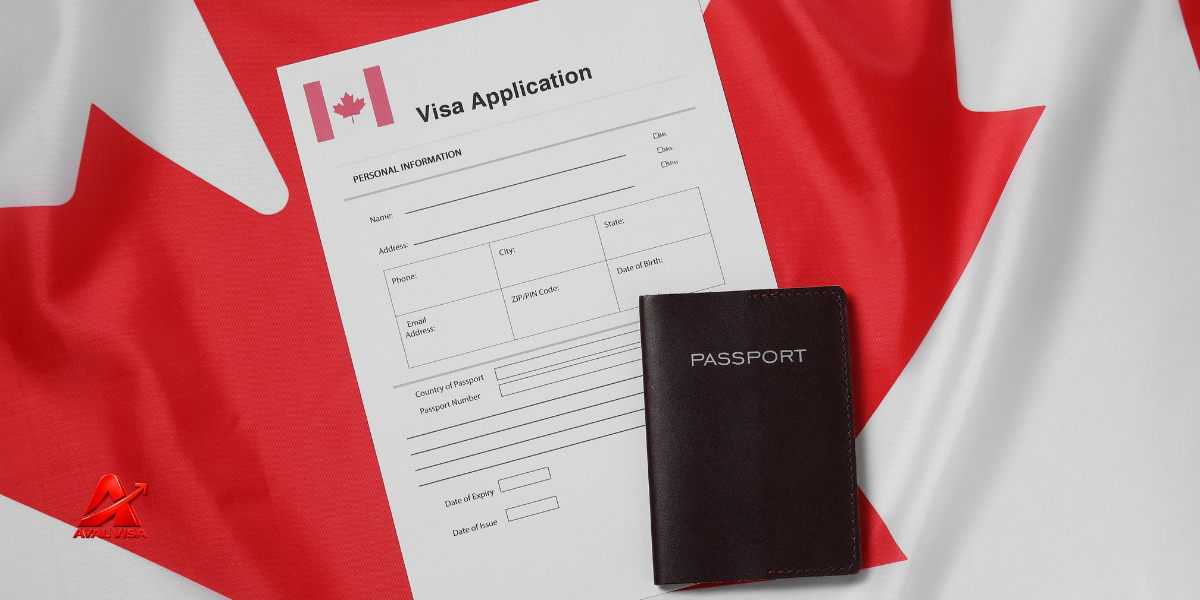
For a Canada visitor visa filed without an invitation letter, the documents should add up to one coherent picture of your circumstances and your travel plan. When you apply online, IRCC generates a document checklist based on the information you enter, so the required documents are not identical for every applicant.
The documents that usually matter in a visitor visa file without an invitation letter are these:
- A valid passport: clear scans of the passport and of any pages carrying visas, entry and exit stamps or other travel history.
- Employment documents: a letter of employment, your position and salary, work history and, where relevant, approved leave from your employer. These show that you hold a defined job in your country of residence and will return to it.
- Financial documents: bank statements and records of the funds available to you, showing you can cover the cost of the trip and the stay. IRCC suggests bank statements covering at least the past 6 months.
- Assets and investments: property titles, investments, business ownership or other assets, where you have them.
- Travel plan: the length of stay, the destinations and the general shape of the trip. Flight details or an accommodation schedule can support this section.
- Proof of accommodation: a hotel booking or other documents identifying where you will stay in Canada.
- Travel history: previous visas, old passports and entry and exit stamps can be filed to show where you have travelled before.
- Family documents and ties: records relating to a spouse, children and other family ties, where they are relevant to the application.
- A letter of explanation: a short, coherent account of why you are travelling, how long for, what the plan is and how the costs are covered helps the officer understand the file.
One point worth making: volume is not the goal. Consistency and credibility count for more than the number of documents. The length of the trip should fit your budget, your work situation and your accommodation plan. IRCC also stresses that documents should be relevant to your circumstances and the purpose of the visit.
How to prove the purpose of your trip without an invitation letter
In a visitor visa application without an invitation letter, the travel plan should be clear, realistic and proportionate to your circumstances. The absence of a letter does not mean the purpose of the trip cannot be shown; the right documents explain the plan and its temporary nature perfectly well. IRCC takes travel details, accommodation and planned activities into account in support of a visitor visa application.
1. Travel plan or itinerary
Set out your approximate entry and exit dates, the cities you plan to visit and the main activities of the trip. An organised, realistic plan makes the tourism purpose clearer.
2. Accommodation
State where you will stay in Canada, for example hotel details or a confirmed booking. This shows the officer you have a defined plan for the period of the stay and are not relying on an invitation letter to explain it.
3. Length of stay
The duration of the trip should line up with your work, your finances and the rest of your life. A long stay with no reasonable explanation may sit awkwardly against an applicant’s employment or financial situation.
4. What you plan to do
Briefly identify the cities, attractions and activities you intend to see in Canada. The plan should be proportionate to the length of the trip and your budget, and should show that tourism is the real purpose.
5. Supporting travel documents
Flight details, accommodation documents, related bookings or event registrations, where you have them, support the travel plan. They need to be consistent with everything else in the file.
None of this calls for an elaborate or invented itinerary. A simple, sensible plan that matches your actual circumstances makes for a stronger file. If you are unsure how to structure the travel plan, review your documents or assess your own situation, you can request a free assessment from Aval Visa.
Proof of funds for a Canada tourist visa without an invitation letter
An applicant for a visitor visa without an invitation letter has to show they can pay for the trip and the stay. IRCC has not published a single fixed minimum for visitor visa applicants. The funds you need depend on how long the trip is, where you are staying and what you expect to spend.
That is why a large account balance is not, in itself, decisive, with or without an invitation letter. Your financial position needs to fit your personal circumstances and your travel plan. A few weeks in hotel accommodation obviously costs more than a short visit, and the documents should reflect that.
Common mistakes in a Canada visitor visa application without an invitation letter
In these applications, the missing invitation letter is rarely the real problem. Difficulty arises when the documents fail to show the purpose of the trip, the applicant’s ability to pay or the intention to return. Those are the points IRCC examines in a visitor visa assessment.
1. A vague purpose of travel
An unclear reason for the trip, an undefined length of stay or no plan for the visit weakens the file. The stated purpose has to match the documents and the itinerary.
2. Unusual bank activity
Sudden deposits and unexplained sums shortly before an application raise questions about the applicant’s real financial position. Account activity, income and the source of funds should all be explainable. IRCC asks for bank information and account history when assessing finances.
3. Funds that do not fit the trip
The balance alone is not the point; the money available has to be proportionate to the length of the trip, the accommodation and the expected costs.
4. Weak evidence of ties to your country of residence
Employment, family, a home and financial assets are among the factors that show an applicant’s ties to where they live and the likelihood that they will return.
5. An unrealistic travel plan
A plan that does not fit the budget, the leave available or the applicant’s personal circumstances does not explain the purpose of the trip well.
6. Incomplete documents or inconsistent information
The forms, the letter of explanation and the supporting documents have to agree with each other. Misrepresentation or fraudulent documents carry serious immigration consequences, including a bar on future applications.
Rather than trying to compensate for a missing invitation letter with extra paperwork, build a file that is coherent, truthful and capable of being evidenced.
Read more: what to do after a Canada visa refusal
Summary
A Canada tourist visa without an invitation letter is a realistic route for anyone planning a defined, temporary trip. As this guide has set out, a letter is not a mandatory document, and the focus belongs on evidence that reflects your actual circumstances and the genuine purpose of the visit.
A sensible travel plan, funds proportionate to the length of the stay, credible employment and financial documents, travel history and family or economic ties all contribute to a coherent file. Inconsistent information, an unrealistic itinerary or unexplained financial documents make the assessment harder.
If you do apply with an invitation letter, remember that it is only one document among many and does not guarantee a visa. Every visitor visa decision rests with IRCC. To review your circumstances before applying, you can use the free assessment from Aval Visa.
Frequently asked questions
1. Can you apply online for a Canadian visitor visa without an invitation letter?
Yes. Visitor visa applications are normally made online, and the required documents are set out according to your circumstances and the purpose of the trip.
2. Does a previous Canadian visa refusal stop you from applying again?
No. An earlier refusal does not in itself prevent a new application. Before reapplying, it is worth understanding the reasons given for the refusal and, where possible, filing new information or documents that address them.
3. Does holding a visa guarantee entry to Canada?
No. A valid visa alone does not guarantee entry. A border services officer assesses your admissibility on arrival.
4. What if your circumstances change after you have submitted the application?
If important information changes or your situation changes, use the channels IRCC provides to update the application. Accurate, current information matters while the file is being assessed.
This article is general information, not legal advice, and it describes published official rules rather than any individual case. Hadi Imani is a Regulated Canadian Immigration Consultant, licence R522575, practising in Toronto; that licence covers Canadian immigration only.