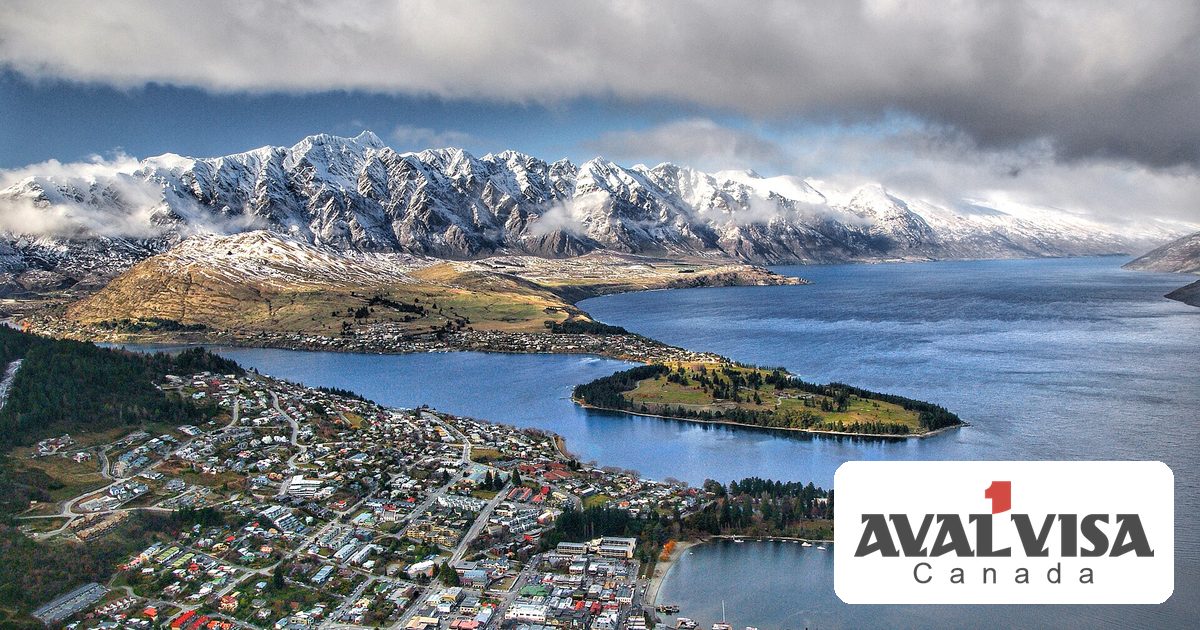
New Zealand offers a high quality of life and solid job opportunities, which makes it an attractive destination for families. Many people whose partner or spouse already lives there are looking for a lawful way to join them.
But a New Zealand partner visa is not a matter of filling in a simple form. It requires a clear understanding of the legal steps, valid supporting documents and an awareness of the conditions and limits that apply. If you are starting the family migration route to New Zealand, read on with Aval Visa.
Types of New Zealand partner visa
To support family life, New Zealand allows family members to join people who hold a valid visa, whether student, work or residence. The type of partner visa depends on the immigration status of the main applicant, the sponsor, and falls broadly into three groups:
| Visa type | Eligible applicant | Work rights | Visa validity |
|---|---|---|---|
| Partner of a student visa | Partner of a student visa holder | Yes (open work rights) | Matches the student's visa |
| Partner of a worker visa | Partner of a work visa holder | Yes (conditions apply) | Matches the partner's visa |
| Partner of a New Zealand resident or citizen visa | Partner of a citizen or permanent resident | Yes | Varies by type of relationship |
| Dependent child visa | Child under 18, or dependant under 24 | No | Matches the parent's visa |
Requirements for a New Zealand partner visa
Before applying, it is worth checking whether you meet the conditions for a New Zealand partner visa. The basic requirements are as follows.
1. Age and legal status
Applicants for a partnership-based visa must normally be 18 or over. Applicants aged 16 or 17 need the consent of their parents or guardians.
2. A genuine and stable relationship
- The relationship must be genuine, ongoing and capable of being evidenced, not merely formal or asserted.
- For a residence-based application, at least 12 months of living together is normally required.
- Evidence of the relationship includes a joint tenancy agreement or property deed, utility bills, a joint bank account, photographs of you together and family invitations.
3. Sponsor support documents
The sponsor, the main partner, must hold New Zealand citizenship or lawful status in the country as a student, worker or resident, and must undertake to support the applicant financially. They also have to evidence their financial position.
4. Health and character
The applicant and the sponsor must provide medical certificates and police certificates. The medical assessment includes a general examination and a chest X-ray.
Read more: A full guide to the New Zealand work visa

5. Sufficient financial support
The sponsor has to show income or resources sufficient to cover the applicant’s living costs. The income level required varies by visa type, and residence-based applications are assessed against a higher threshold.
6. Living together
Partner visas on work or residence grounds require evidence that you live together; student-based applications may require a shorter period.
7. Identity documents
A valid passport, photographs, contact details and other identity documents must be provided. The sponsor also has to supply proof of their citizenship or valid visa.
Read more: A full guide to the New Zealand investor visa
How to apply for a New Zealand partner visa
If someone is studying or working in New Zealand, in many cases they can also obtain a partner visa for their spouse or children. The application process has several defined stages, set out simply below:
1. Choose the visa type: depending on the main applicant’s visa, select the appropriate partner visa
2. Check the basic conditions: proof of a genuine relationship, medical and police certificates, and the sponsor’s financial capacity
3. Gather the documents: passport, relationship evidence, financial documents, support forms and the required certificates
4. Lodge the application: create a RealMe account, log in to the official system and complete the electronic form for your visa type
5. Pay the fee: Immigration New Zealand sets partner visa fees by visa type and by where you apply from, and revises them periodically; check the current fee on immigration.govt.nz before you apply
6. Track the application: supply further documents or respond to requests from Immigration New Zealand if needed
7. Receive the decision: the visa is issued as an eVisa; if it is declined, you can reapply or seek a review
Documents required for a New Zealand partner visa
According to the official Immigration New Zealand website, these documents are required for every type of partner visa, whether for the partner of a student, the partner of a work visa holder or a dependent child:
- The applicant’s valid passport
- Two recent biometric photographs
- Evidence of the relationship or legal family link
- Evidence of living together or financial dependence
- A police certificate
- A medical certificate
- Proof of funds
- The application form, online or on paper, through a RealMe account or as a PDF
- Payment of the application fee, which Immigration New Zealand sets by visa type and by where you apply from; check the current figure on immigration.govt.nz
Additional documents by visa type
- Partner of a student: you have to show that the main applicant is studying at Level 7 or above in a qualifying field, such as a skill shortage list subject or an area like STEM or health. The partner is normally granted the right to work full time.
- Partner of a work visa holder: you have to supply a copy of the main applicant’s valid work visa, for example an AEWV. The Supporting Partnership-based (Temporary Entry) form has to be completed by the sponsor.
- Dependent child visa: you have to show that the child is under 18, or financially dependent up to the age of 24. This visa requires enrolment at a New Zealand school, and where the legal guardian is not the parent, guardianship documents are required.
Advantages and limits of a New Zealand partner visa
| Advantages | Drawbacks / Limitations |
|---|---|
| Live in New Zealand at the same time as the partner or parent who holds the visa | Must prove a genuine and stable relationship (at least 12 months living together) |
| Open work rights in most cases for the partner of a student or worker | Work rights are sometimes tied to a specific employer and a set minimum salary |
| Short courses of up to 3 months without a student visa | Study beyond 3 months is not allowed without a separate student visa |
| Children can attend state schools free of charge | Stricter financial dependency requirements for children over 18 |
| Freedom to enter and leave New Zealand throughout the visa's validity | Processing delays due to high application volumes |
| Keeps the family together and eases the emotional strain of migration | Extensive and complex documentation to prove the family or partner relationship |
| Opens a pathway to permanent residence where the relationship continues and lawful employment is maintained | Risk of sudden changes to immigration policy or to work and sponsorship rules |
Long-term residence in New Zealand
If you have held a resident visa as the partner of a New Zealand citizen or resident for two consecutive years and have continued to meet the conditions, you can apply for a Permanent Resident Visa.
That visa allows you to travel in and out of New Zealand without restriction, provided your visa is recorded against a valid passport. A New Zealand partner visa is an important step towards settling your immigration status and gaining wider access to the rights of residence in the country.
Read more: The New Zealand tourist visa
Frequently asked questions
- How much does a partner visa cost?
It depends on the country you apply from, how the application is submitted and the supporting documents. Fees are not refundable. - What are the common reasons family visas are declined?
Insufficient evidence of a genuine relationship or of custody of a child. Assessment is stricter for children over 20 and for applicants with particular medical conditions. - What can I do if my New Zealand partner visa is declined?
A refusal is not the end of the road. Once the problems in the application have been addressed, you can apply again.
This article is general information, not legal advice, and it describes published official rules rather than any individual case.