
International students who move to Austria can work alongside their studies and cover part of their living costs through a student job. Student employment is tightly regulated, so that work does not displace study and stays within Austrian labour law. This guide sets out how student jobs in Austria work in practice, alongside the Austria student visa and the wider process of immigration to Austria.
Types of student job in Austria for international students
Austria has a clear framework that lets international students work part time during their studies. It exists to help students support themselves while keeping study as the main purpose of their stay.
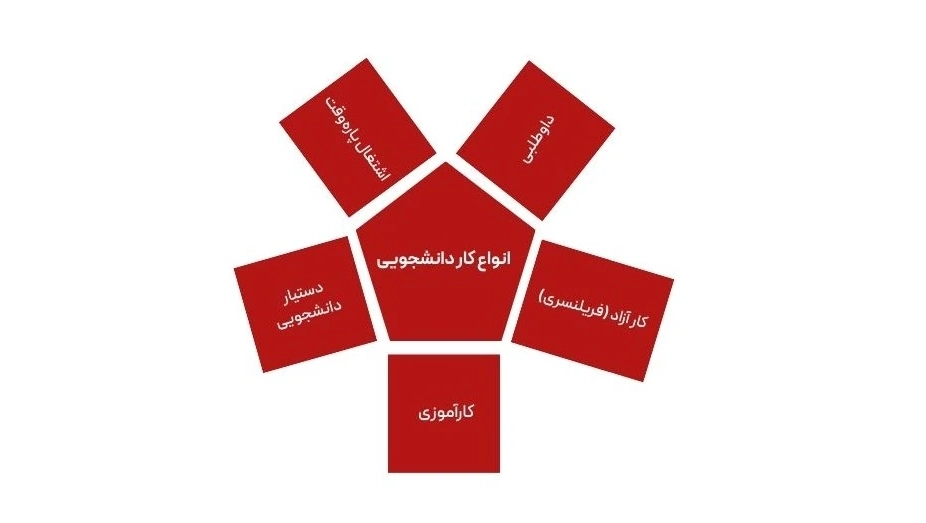
1. Part-time employment (up to 20 hours a week)
Students from outside the EU and EEA may work up to 20 hours a week. This requires an employment permit (Beschaeftigungsbewilligung), which the employer applies for through the Austrian Public Employment Service (AMS). The main purpose of your residence must remain study, and the job must not interfere with your academic progress.
2. Internships and work placements
Students can take internships or placements related to their subject. These give practical experience and may be paid or unpaid, depending on the employer and the terms of the placement. Placements are often part of the curriculum and can be compulsory for graduation.
3. Freelance work
Freelancing suits students with a specific skill, such as tutoring, graphic design or writing. Freelancers must register with the Austrian tax office and comply with the tax rules that apply to self-employed income. The work is flexible but requires you to manage your own obligations.
4. University student assistant roles
Many universities employ students as assistants in their departments. The work involves supporting academic staff with research, administration or teaching. These roles give useful academic experience and are usually scheduled around lectures.
5. Volunteering
Volunteering is unpaid, but it is a good way to gain experience, contribute to the community and strengthen a CV. It is particularly useful for students who want to widen their network and engage with life in Austria.
Across all of these, work helps students gain practical experience, improve their German and become financially more independent. Any job must comply with Austrian employment law and must not conflict with study obligations.
Rules and conditions for student employment
International students from outside the EU and EEA may work in Austria under specific conditions. These come from the Aliens Employment Act (Auslaenderbeschaeftigungsgesetz, AuslBG) and the Settlement and Residence Act (Niederlassungs- und Aufenthaltsgesetz, NAG), and are designed to keep employment compatible with the purpose of the residence permit.
1. Employment permit
Students need an employment permit (Beschaeftigungsbewilligung) for any paid work. The employer applies for it through the Austrian Public Employment Service (AMS). For work of up to 20 hours a week, the permit is normally granted without a labour market test.
2. Working time limits
- Up to 20 hours a week is permitted during the semester.
- The 20-hour weekly limit also applies during semester breaks. Austria does not grant students an automatic full-time allowance over the holidays, so any additional hours would need a separate permit.
Working beyond the permitted hours can affect both the employment permit and the residence permit.
3. Study as the main purpose of residence
Study has to remain the main purpose of your stay in Austria. Employment must not disrupt academic progress. Work that conflicts with the purpose of the permit can lead to the residence permit not being renewed.
Read more: the best universities in Austria
4. Earnings limits and health insurance
Students should watch that pay from a student job in Austria does not exceed the relevant thresholds, because crossing them changes how you are covered for health insurance and which contributions are due. These thresholds are set annually, so check the current figures before you accept extra hours.
5. Employment contract
Every working relationship should be formalised in an employment contract (Arbeitsvertrag), which can be written, oral or implied. Where there is no written contract, the employer must issue a statement of employment terms (Dienstzettel) covering the job title, pay, working hours and notice conditions.
6. Ending the employment
Both employer and employee may end the relationship. The employee is entitled to their employment documents and to any outstanding pay. In the case of unlawful dismissal, the employee can bring a claim before the Labour and Social Court.
7. Compliance with Austrian labour law
Student jobs in Austria are subject to the same labour rules as any other employment, including minimum pay set by collective agreement, working time and working conditions. Employment permits are granted on the condition that foreign workers are not employed on worse terms than comparable Austrian employees.
How to find student jobs in Austria
There are several reliable routes to a student job in Austria.
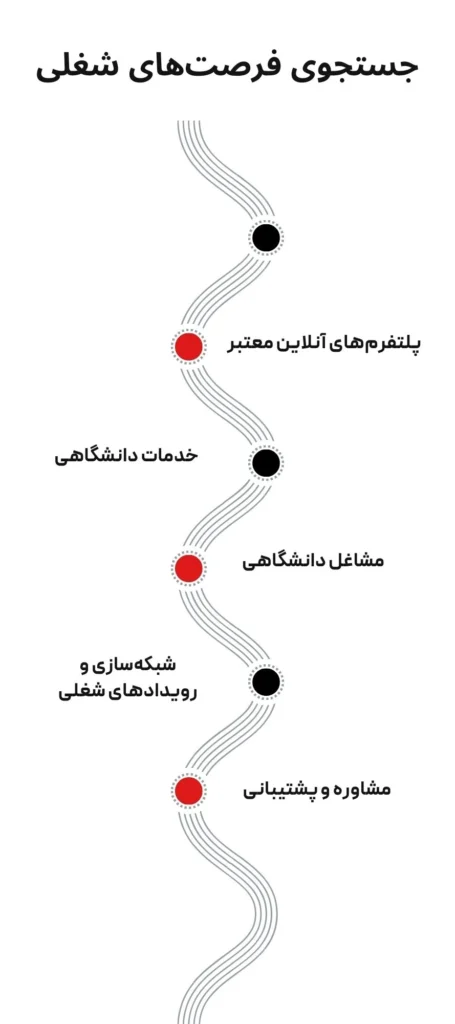
Job platforms
- Unijobs: aimed specifically at students and recent graduates, with a large number of Austrian listings.
- StudentJob AT: internships and part-time roles across Austria.
- Karriere.at: a general Austrian job board covering roles in every sector.
University services
- Uniport, University of Vienna: the university’s career service, offering advice, workshops and careers events for students and graduates.
- IAESTE Austria: an international organisation that arranges technical and engineering internships for students.
Read more: jobs in demand in Austria
Jobs inside the universities
Many Austrian universities and colleges advertise roles for their own students. The University of Vienna and the University of Innsbruck, for example, both publish student vacancies.
Networking and careers events
Careers fairs and networking events put students in front of potential employers and often surface roles that are never advertised. Many universities run their own events.
Advice and support
University careers offices help students find suitable roles, with CV reviews, interview preparation and guidance on the local labour market.
Used together, these routes give international students a realistic way into student jobs in Austria.
Benefits of student employment in Austria
Most international students need income to cover living costs, and working alongside study brings several advantages.
- Financial support
A student job in Austria lets you earn and cover part of your living costs. That matters most in cities such as Vienna, where costs are higher. Earnings can also form part of the financial evidence for obtaining or renewing an Austrian residence permit.
- Professional experience
Student work builds the experience that improves your position in the labour market after graduation. Students can apply what they learn in a working environment, build professional and communication skills, and widen their network.
- Access to social benefits
Students employed lawfully under a standard contract are covered by social insurance, including health, accident and pension insurance. That protects them if they fall ill or have an accident, and it counts towards long-term social security entitlements.
- Working within your residence permit
International students may work up to 20 hours a week under an employment permit that is normally issued without a labour market test. Income from that work can serve as evidence of means when obtaining or renewing the residence permit.
- A route towards longer-term residence
After completing their studies, international graduates can extend their residence for up to 12 months to look for work or start a business. If they find a qualifying job, they can apply for the Red-White-Red Card, which allows longer-term residence and work in Austria.
Taken together, student jobs in Austria provide income as well as professional, social and immigration advantages.
What students can legally earn
Student employment in Austria is regulated in a way that protects both pay levels and working conditions. The rules apply to EU and EEA students and to international students holding a valid residence permit.
Pay for student jobs
- Minimum pay: Austria has no statutory national minimum wage. Instead, collective bargaining agreements set minimum pay by sector and role. For students, annual earnings from part-time work typically fall in the range of EUR 12,000 to EUR 14,000, enough to cover a reasonable share of living costs.
- Tax: students whose annual income stays below the income tax threshold pay no income tax. The threshold is adjusted each year, so check the current figure before planning your hours. Income above it is taxed under normal Austrian rules.
Legal rights in student employment
- Work permit: non-EU students need an employment permit. For up to 20 hours a week during the semester, it is normally issued without a labour market test.
- Social insurance: students employed lawfully are covered by health, accident and pension insurance, which protects them in case of illness or injury.
- Working hours: the limit is 20 hours a week, including during semester breaks unless a separate permit is granted. Hours must not damage academic progress.
- Termination: students may end their contract in line with Austrian employment law, and employers must follow the statutory procedure.
Additional protections
- Equal treatment: students have the same rights and protections as other employees in Austria, including protection against discrimination and harassment at work.
- Access to legal help: students can use advice centres and employee representative bodies to enforce their rights at work.
In short, student jobs in Austria provide income and come with real legal and social protection.
Frequently asked questions
- Can EU, EEA and Swiss students work in Austria?
Yes. They can work without an employment permit, but they must register their residence within four months of arrival. - Are students covered by social insurance?
Students in paid employment normally pay social insurance contributions and are covered for health, accident and pension insurance. - When do I count as a self-employed key worker?
If you are a third-country national, you can apply for the Red-White-Red Card for self-employed key workers, provided your business activity in Austria delivers a wider economic benefit rather than only a personal one.
This article is general information, not legal advice, and it describes published official rules rather than any individual case.