
The US green card is the permit for lawful permanent residence in the United States and one of the most sought-after immigration outcomes in the world. A green card holder can live, work and study in the United States and holds most of the rights of a citizen.
For all its advantages, the process is complex and slow, so it pays to understand the different routes, the documents each one needs and the legal traps along the way. This article covers what you need to know about the US green card so that you can approach moving to the United States with a clear view of the process.
Who qualifies for a US green card
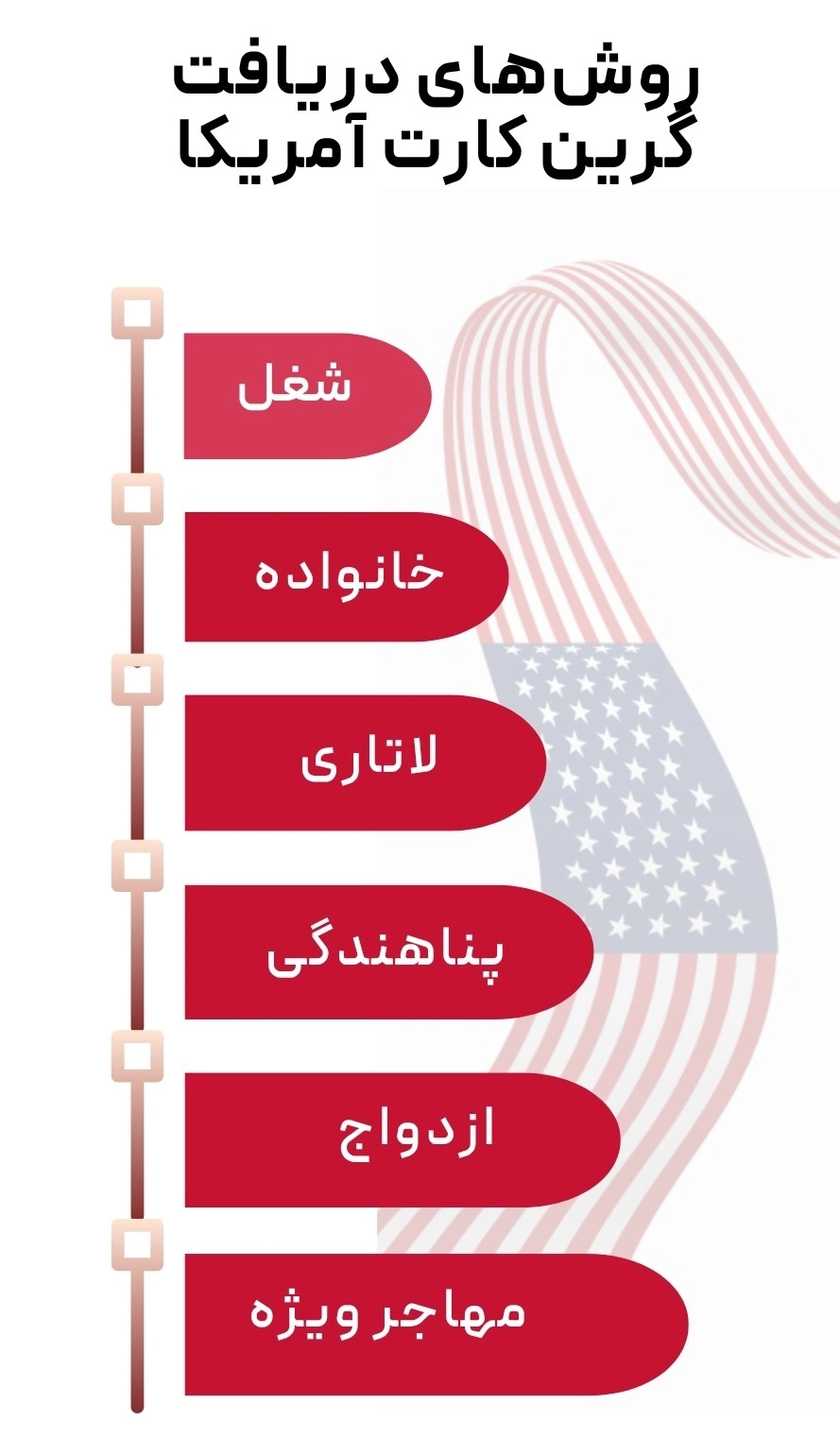
The US government provides several lawful routes to permanent residence. The main ones are set out below.
Through family
If your spouse, parent or unmarried child under 21 is a US citizen, you can file a petition under the current rules. Other relatives, such as siblings or adult children, may also file, but they fall into preference categories with lower priority and considerably longer waiting times.
Through employment
Specialists such as senior engineers, executives, researchers and investors can apply on the basis of a genuine job offer or through investment under the EB-5 programme. This route requires a sponsoring employer and a written job offer.
Read more: A complete guide to immigration to the United States for doctors
Green card through marriage
A genuine marriage to a US citizen is one of the faster routes to a green card. It is also one of the most closely examined. You will need substantial evidence, including photographs, correspondence and joint records, to establish that the relationship is real.
The diversity visa lottery
The diversity visa lottery is the best-known route worldwide. Each year up to 55,000 people from countries with low rates of immigration to the United States receive a green card through it. Entry is free, and selection is random.
Asylum and humanitarian status
People at risk of harm, persecution or discrimination in their home country, including human rights defenders and political activists, may qualify for asylum. After one year in asylee status they can apply for a green card.
Special immigrant categories
People in the following situations can apply for a green card:
- Religious workers
- Members of a religious denomination coming to work for a religious organisation
- Young people who need the protection of a juvenile court, for example after abuse by a parent
- Iraqi and Afghan nationals in defined categories
- International broadcasters working for USAGM media
- Recipients of a USAGM grant to work in the United States
How long a green card is valid
A common question is whether the green card expires.
It does. Standard green cards are issued with ten years of validity, and you renew the card at the end of that period. Expiry of the card does not end your permanent resident status; it is the physical card that needs replacing.
Read more: A complete guide to the US H-1B visa
Ten-year cards and two-year conditional cards
A two-year conditional green card is issued to people who obtained residence through marriage to a US citizen or through the EB-5 investment programme. In those cases the expiry date does matter: you must file to remove the conditions before the card expires, or your lawful status ends.
Documents required for a US green card
Below is the list of documents required for a US green card application.
| Documents | Details |
|---|---|
| Completed application forms | Depending on the category |
| Identity documents | Such as passport and birth certificate |
| Biometric photo | To USCIS standards |
| Proof of family relationship | Marriage certificate, birth certificate and other related documents |
| Academic records and CV | Degrees and transcripts |
| Police clearance certificate | Must be issued within the past month |
| Receipt for immigration fee payment | All fees paid in USD |
| DS-260 form confirmation | Submitted online |
| Medical examination documents | Carried out by an approved panel physician |
| Proof of financial means | Payslips, bank statements and balances, or any employment contract proving income |
Steps and processing times
The sequence depends on which route you use and whether you are inside or outside the United States:
- File your petition through the official USCIS green card pages
- Confirm that a visa is available in your category
- Download and complete Form I-485
- Attend the interview
After the interview you wait for a decision and track your case on the USCIS site. A common estimate is around 15 months, but the actual time depends on the category, the country you apply from, the workload of the local USCIS office and your own circumstances. In some cases it runs to 18 months or longer.
Read more: What is the US EB-3 visa?
The cost of a US green card
The USCIS Immigrant Fee is charged per person and paid online through the USCIS website. It is USD 235 per person, payable after your immigrant visa is issued and before you travel. The online payment sequence is:
- Create a USCIS account
- Activate and verify the account
- Set your security questions and complete your profile
- Pay using your A-Number
The table below breaks down the filing fees for each type of green card application, which are payable in addition to the immigrant fee.
| Application type | Fee (USD) |
|---|---|
| Form I-130, petition for a relative | 675 |
| Form I-140, petition for a foreign worker | 715 |
| Form I-730, refugee/asylee relative petition | No fee |
| Form I-589, asylum and withholding of removal | No fee |
| Form I-485, initial application to adjust status | 1,440 |
| Form I-526, immigrant petition by an entrepreneur | 11,160 |
| Form I-918, U nonimmigrant status | No fee |
| Form I-929, petition for qualifying family members of a U-1 nonimmigrant | No fee |
| Form I-765, application for employment authorisation (USD 260 only with a pending paid I-485 filed after 1 April 2024) | USD 520 |
| Form I-131, application for a travel document | 630 |
| Diversity Visa (green card lottery) fee | 330 |
| Form I-360, special immigrant (no fee for the Amerasian, VAWA, Special Immigrant Juvenile and Afghan/Iraqi translator categories) | USD 515 |
What a green card gives you
Beyond the right to live in the United States, a green card brings the following:
- The right to buy property in the United States
- Free travel in and out of the country without a visa
- The right to work, register a trademark or start a business
- The right to study at any level
- The ability to sponsor family members financially for visitor visas
- Eligibility to apply for US citizenship after five years of residence
- Access to public services and the rights that go with residence
Legal points worth knowing
One last point. Avoid the common mistakes and keep checking USCIS announcements, because US immigration rules change often.
Do not submit false information, complete forms carelessly, produce fraudulent documents or accrue unlawful presence. Any of these will cost you the application. Certain criminal convictions, and any finding that an applicant poses a national security risk, also make a person inadmissible.
Your medical examination must be carried out by a doctor designated by USCIS, and missing a deadline will add months to the process.
For those reasons, most applicants use a lawyer or a qualified adviser, provide adequate evidence of financial support when sponsoring family, and avoid spending more than a year outside the United States. Absences of that length, criminal convictions and fraud can all lead to the loss of permanent resident status.
US visa applications with Aval Visa
A US green card is one of the most significant steps you can take towards a settled future in the United States, but the legal complexity, the number of forms, the specialist documents and the constant changes in immigration policy make it a demanding process. It is worth working with an experienced team.
The Aval Visa team has years of experience with US immigration. We will advise on the route that fits your circumstances and, if you need an urgent US embassy appointment or help completing forms, we handle the process from start to finish. Contact us to take the first step.
Frequently asked questions
- What documents does a marriage-based green card need? Alongside the marriage certificate, evidence that the relationship is genuine and police certificates, you must document your spouse’s US citizenship or permanent resident status.
- What is the difference between a green card and the US Gold Card? The green card is lawful permanent residence under existing immigration law. The Gold Card is now open to applicants: it carries a USD 15,000 non-refundable processing fee and a USD 1 million contribution on approval, and successful applicants receive lawful permanent residence as an EB-1 or EB-2 immigrant. Applications are made through the official government site.
- How can students obtain a green card? Common routes include moving from a study visa to a work visa and then to an employment-based category, marriage to a US citizen, asylum, the diversity lottery, a family-based petition, or military service where an applicable programme is open.
This article is general information, not legal advice, and it describes published official rules rather than any individual case.